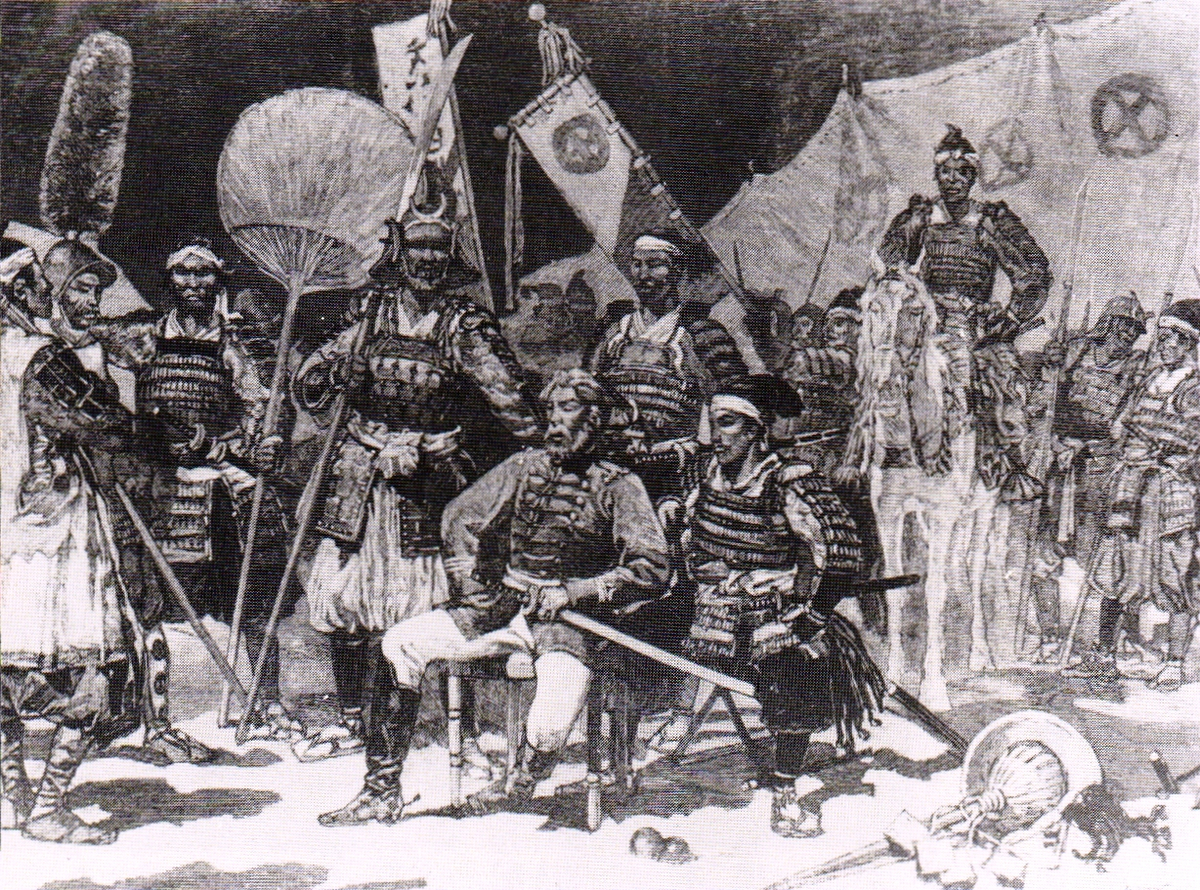
End of the Samurai Class
Japan

Social Transformation
4 min read
Updated By: History Editorial Network (HEN)
Published:
In 1870, Japan made a decisive move by abolishing its samurai class. This marked a significant shift in the country's social and political landscape. Historically, samurai held prestigious status as warrior nobility, serving feudal lords and embodying loyalty and honor. However, with the Meiji Restoration in the late 19th century, Japan underwent modernization and Westernization efforts, leading to the decline of the samurai class.
The abolition of the samurai class had a profound impact on Japanese society. Many samurai faced challenges as their traditional roles and privileges were stripped away. The government implemented policies to integrate samurai into the modern industrialized society, offering them opportunities in the military, bureaucracy, and business. This transition was met with mixed reactions, with some embracing the changes while others resisted, holding onto their traditional values and way of life.
The end of the samurai era brought about societal transformation, as Japan shifted towards a more centralized government and a unified national identity. The samurai's influence in shaping Japan's political and social structures gradually diminished, paving the way for a more modern and inclusive society. The legacy of the samurai, however, continued to be romanticized in literature, art, and popular culture, preserving their memory and ethos for future generations.
Overall, the abolition of the samurai class represents a pivotal moment in Japan's history, symbolizing the country's transition from feudalism to modernity. It highlights the complex interplay between tradition and progress, as Japan navigated the challenges of embracing new ideologies and institutions while preserving its cultural heritage. #Japan #SamuraiClassAbolition #MeijiRestoration #SocialTransformation

Explore the Life Moments of
 AI Twin