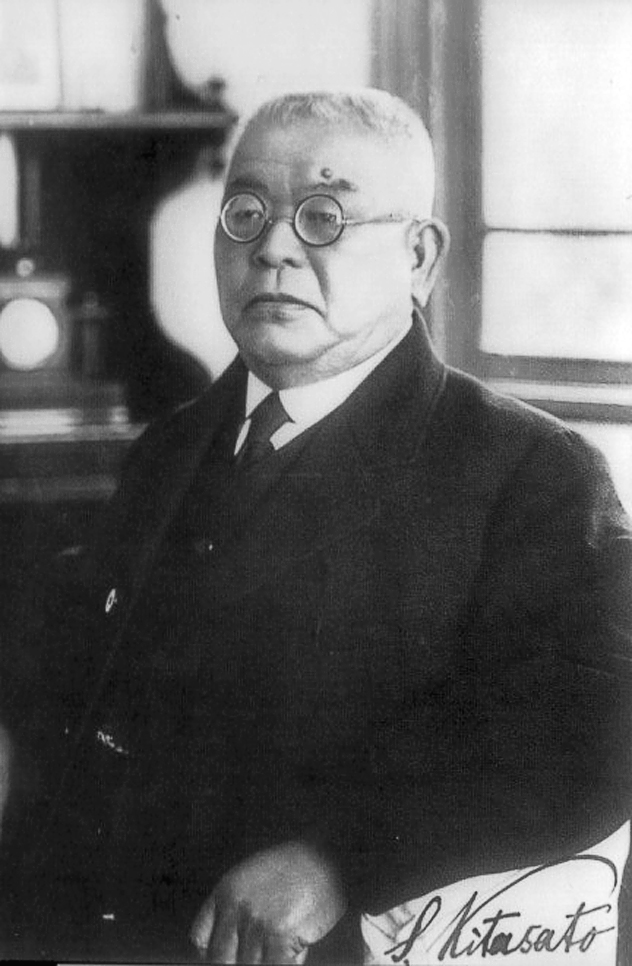
Discovery of bubonic plague agent by Shibasaburo Kitasato in The Lancet
Japan

Science
Medical Discovery
4 min read
Updated By: History Editorial Network (HEN)
Published:
In the late 19th century, Japanese scientist Shibasaburo Kitasato made a groundbreaking discovery in the field of medicine. Through diligent research, Kitasato identified the infectious agent responsible for the bubonic plague, a deadly disease that had ravaged populations for centuries. His findings were published in The Lancet, a prestigious medical journal, solidifying his contribution to the scientific community.
Kitasato's discovery had a profound impact on the understanding and treatment of infectious diseases. By pinpointing the specific bacterium that caused the plague, medical professionals were able to develop more targeted and effective treatments. This breakthrough not only saved countless lives but also paved the way for further advancements in the field of microbiology.
The publication of Kitasato's findings in The Lancet marked a significant moment in the history of medicine, showcasing the importance of international collaboration and sharing of knowledge. His work exemplified the dedication and ingenuity of scientists around the world who strive to improve global health outcomes.
Kitasato's discovery of the infectious agent of the bubonic plague serves as a reminder of the ongoing battle against infectious diseases and the critical role that scientific research plays in addressing public health challenges. His legacy continues to inspire future generations of researchers to push the boundaries of medical knowledge.
#JapaneseScientist #MedicalBreakthrough #BubonicPlague #TheLancet #InfectiousDiseases #GlobalHealth #ScientificResearch #Microbiology #HistoricalDiscovery

Explore the Life Moments of
 AI Twin