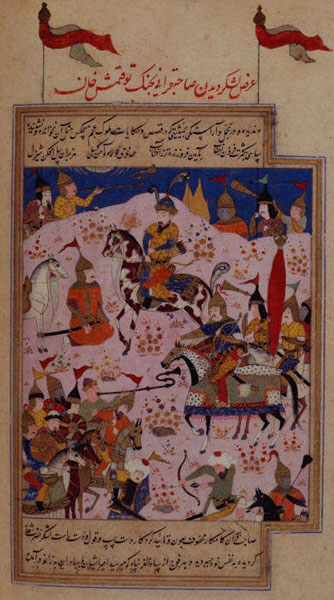
Timur's Devastating Sack of Isfahan
Destruction
4 min read
Updated By: History Editorial Network (HEN)
Published:
Timur, also known as Tamerlane, was a ruthless conqueror who targeted the city of Isfahan in Iran in 1387. Isfahan, a prominent cultural and economic hub, was known for its grand architecture and flourishing trade. Timur's invasion brought unparalleled devastation to the city, as his forces pillaged and burned important landmarks, including mosques, palaces, and markets. The once-thriving city was left in ruins, with its population decimated and its infrastructure severely damaged.
The impact of Timur's sack of Isfahan reverberated for years to come, as the city struggled to rebuild and recover from the destruction. The loss of valuable cultural and historical artifacts was immeasurable, erasing centuries of heritage and heritage. The economy of Isfahan was also severely crippled, with trade routes disrupted and businesses destroyed.
Despite the devastation, the people of Isfahan showed resilience in the face of adversity, slowly but steadily reconstructing their city and reviving its former glory. The rebuilding process was long and arduous, but Isfahan eventually rose from the ashes, showcasing the indomitable spirit of its inhabitants.
Today, Isfahan stands as a testament to the resilience of its people and the enduring legacy of its cultural heritage. The scars of Timur's sack are still visible in the city's landscape, serving as a reminder of the destructive power of war and the importance of preserving history.
#Timur #Isfahan #Destruction #Recovery #Resilience #Heritage #History #Iran
Primary Reference
Timur - Wikipedia

Explore the Life Moments of
 AI Twin