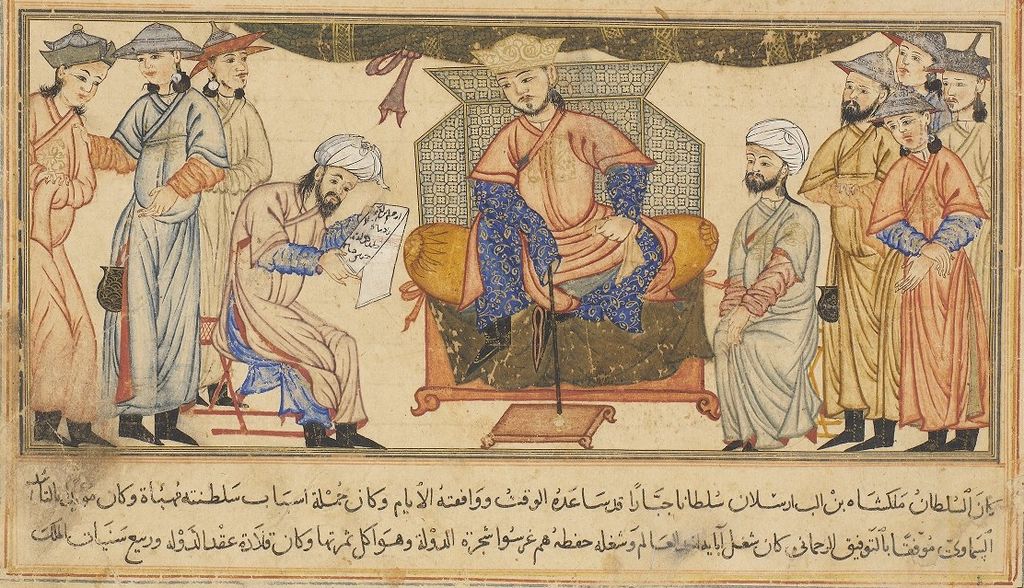
Decline Begins: Malik Shah I's Death Signals Seljuq Empire Decline
Political
3 min read
Updated By: History Editorial Network (HEN)
Published:
Malik Shah I, a prominent ruler of the Great Seljuq Empire, passed away in 1092. His death marked the commencement of the empire's decline. Malik Shah I had led the empire to its zenith through military conquests and administrative reforms. His demise left a power vacuum that led to internal conflicts and weakened the empire's central authority.
Following Malik Shah I’s death, his sons engaged in a power struggle, dividing the empire among themselves. This infighting weakened the empire's unity and made it vulnerable to external threats. The decline of the Great Seljuq Empire was exacerbated by continuous attacks from rival dynasties and the rise of local uprisings.
The death of Malik Shah I had a profound impact on the political and social stability of the region. The once mighty empire faced fragmentation and loss of territory. The central authority that had held the diverse regions together began to erode, leading to a period of decentralization and chaos.
The decline of the Great Seljuq Empire had long-term repercussions for the region. It paved the way for the rise of new powers and dynasties, fundamentally altering the political landscape of Iran and neighboring territories. The death of Malik Shah I signaled the end of an era of centralized rule and marked the beginning of a turbulent period characterized by fragmentation and instability.
#MalikShahI #GreatSeljuqEmpire #Decline #PowerStruggle #Fragmentation #Iran #Legacy
Primary Reference
Seljuk Empire - Wikipedia

Explore the Life Moments of
 AI Twin