British Troops Withdraw as Soviet Union Violates Agreement in Iran Crisis

Political
Global Trade
3 min read
Updated By: History Editorial Network (HEN)
Published:
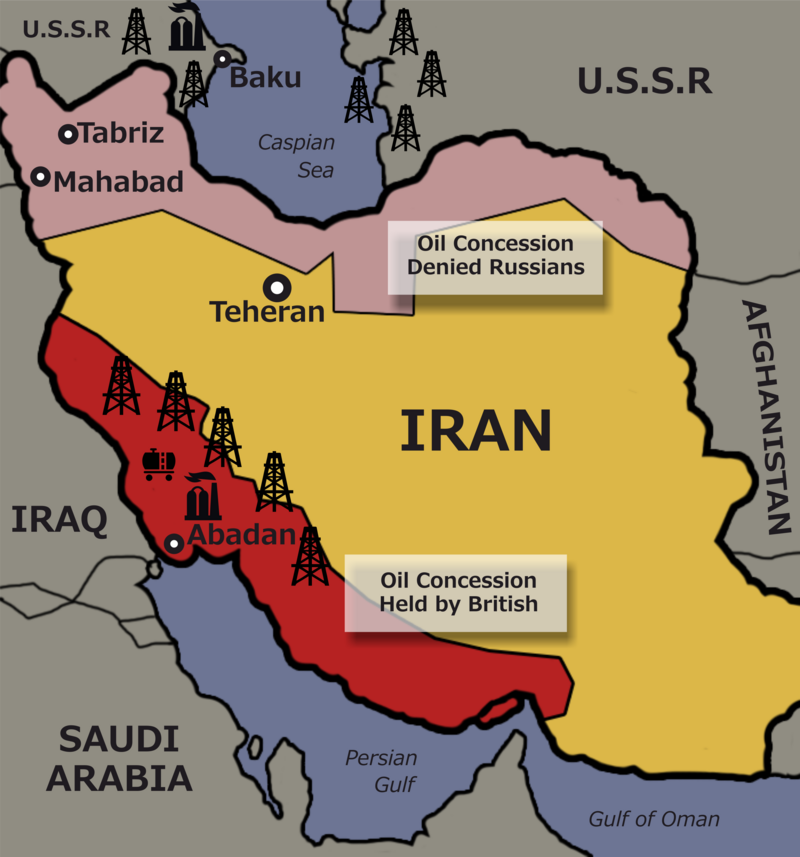
Amidst the Iran crisis, British troops withdrew from the country while The Soviet Union violated its prior agreement and remained stationed. The crisis stemmed from disagreements over the presence of foreign troops in Iran following World War II.
As part of the Allied occupation during the war, both British and Soviet troops were stationed in Iran to secure oil fields and supply routes. However, tensions escalated as the war ended, with the Soviet Union refusing to honor agreements to withdraw its forces from Iranian territory.
The British, in contrast, opted to adhere to the terms of the agreement and began withdrawing their troops from Iran. This move highlighted the differing approaches taken by the two superpowers involved in the occupation.
The refusal of the Soviet Union to withdraw its troops had a significant impact on Iranian sovereignty and fueled concerns about Soviet intentions in the region. The crisis underscored the broader geopolitical struggles of the Cold War era and raised fears of further Soviet expansionism.
Overall, the event marked a turning point in the relationship between Iran, Britain, and the Soviet Union. It showcased the power dynamics at play in the aftermath of World War II and set the stage for continued tensions in the region.
#IranCrisis #BritishWithdrawal #SovietUnionViolation
Primary Reference
United States Relations with Russia: The Cold War

Explore the Life Moments of
 AI Twin