Improving Public Health Strategies and Approaches
Hamburg, Germany
Health
Public Health
Epidemics
4 min read
Updated By: History Editorial Network (HEN)
Published:
Updated:
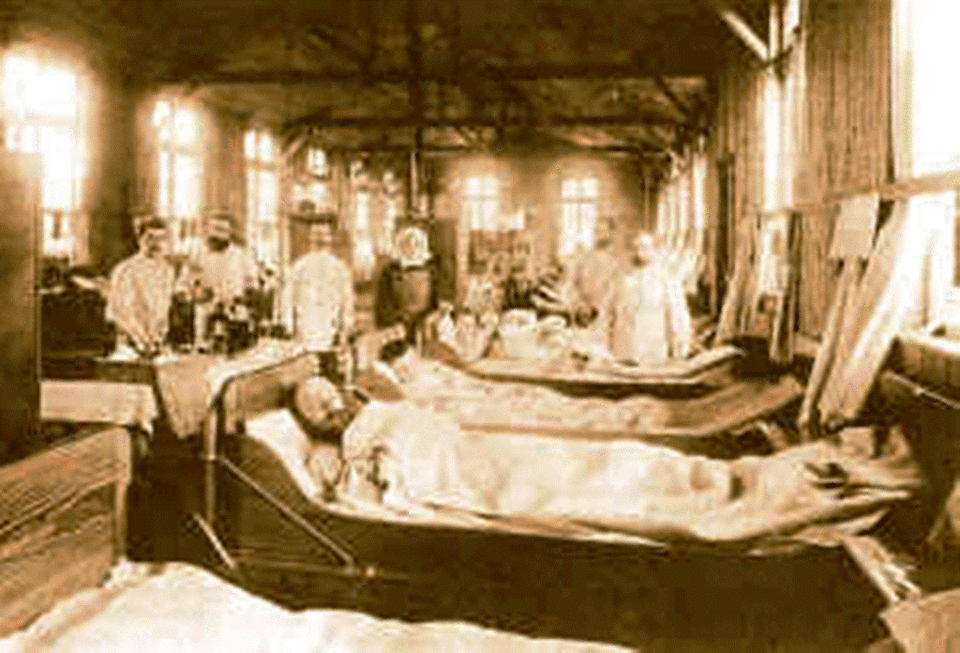
The cholera epidemic in Hamburg had a profound impact on public health strategies in Germany, marking a pivotal shift in the understanding and management of infectious diseases. This outbreak, which was particularly severe, highlighted the limitations of existing public health measures and the need for a more scientific approach to disease control. Max von Pettenkofer, a prominent figure in the field of public health at the time, faced significant challenges as his theories on disease causation were put to the test. The epidemic ultimately undermined his position and credibility, leading to a broader acceptance of Robert Koch's bacteriological methods. Koch's work emphasized the importance of identifying pathogens and understanding their transmission, which laid the groundwork for modern microbiology and public health practices.
The aftermath of the Hamburg cholera epidemic catalyzed significant changes in public health policies and practices. It prompted a reevaluation of sanitation and hygiene standards, as well as the implementation of more rigorous disease surveillance systems. The epidemic served as a wake-up call for health authorities, leading to the establishment of better infrastructure for water supply and waste management. These changes not only aimed to control cholera but also set a precedent for addressing other infectious diseases. The lessons learned from this crisis contributed to the development of comprehensive public health strategies that prioritize scientific research and evidence-based interventions, ultimately improving health outcomes for populations.
#mooflife
#MomentOfLife
#PublicHealth
#CholeraEpidemic
#InfectiousDiseases
#Sanitation
#Bacteriology
Primary Reference
1892 Hamburg cholera outbreak

Explore the Life Moments of
 AI Twin