FDA Approves HAVRIX for Hepatitis A Prevention in Adults and Children
United States
Health
5 min read
Updated By: History Editorial Network (HEN)
Published:
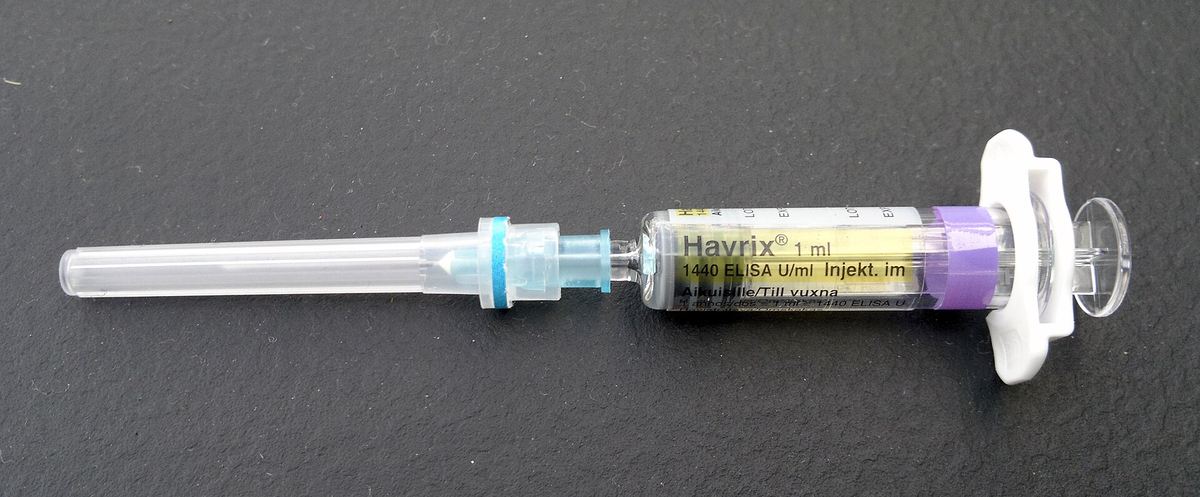
The first vaccine to prevent hepatitis A was developed and introduced, providing a new tool to control a viral disease that had long caused outbreaks worldwide. The inactivated hepatitis A vaccine was created after years of research into the hepatitis A virus (HAV), which had been identified in 1973 by Stephen M. Feinstone and colleagues at the U.S. National Institutes of Health. By the early 1990s, advances in cell culture techniques allowed the virus to be grown in laboratory conditions, making vaccine development possible. The first licensed hepatitis A vaccines were inactivated (killed) vaccines. In 1992, the vaccine known as Havrix, developed by SmithKline Beecham (now part of GlaxoSmithKline), was approved in several countries outside the United States, including in Europe. Clinical trials conducted prior to approval demonstrated high levels of protective antibodies after two doses administered six to twelve months apart. The vaccine was designed to prevent infection caused by hepatitis A virus, which spreads primarily through contaminated food and water or close personal contact.
Hepatitis A is an acute liver infection that can cause symptoms such as fever, fatigue, nausea, abdominal pain, and jaundice. While most people recover fully, the disease can lead to severe illness, particularly in older adults. Before vaccination programs were introduced, hepatitis A outbreaks were common in many regions. In the United States, tens of thousands of cases were reported annually in the 1980s and early 1990s, although many infections were believed to go unreported. Following the introduction of the first hepatitis A vaccines in 1992, additional vaccines were developed and licensed in other countries. In the United States, the Food and Drug Administration approved Havrix in 1995 and Vaqta (by Merck & Co.) in 1996. Over the following years, routine childhood vaccination recommendations in several countries contributed to marked declines in reported hepatitis A cases. Data from the U.S. Centers for Disease Control and Prevention show that hepatitis A incidence in the United States decreased by more than 95% from the mid-1990s to the 2010s after widespread vaccination.
The development of the first hepatitis A vaccine in 1992 marked the beginning of systematic prevention efforts against a virus that had previously relied mainly on sanitation measures and outbreak control.
#HepatitisA
#VaccineHistory
#PublicHealth
#Immunization
#InfectiousDiseases
Primary Reference
What is the history of Hepatitis A vaccine use in America?

Explore the Life Moments of
 AI Twin