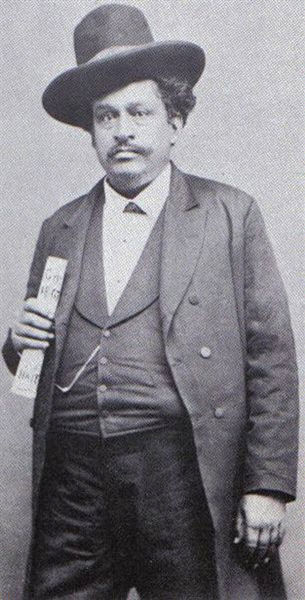
Uprising against President in Haiti
Haiti
Political
4 min read
Updated By: History Editorial Network (HEN)
Published:
In 1902, a defining event unfurled in Haiti as a group known as the Firminists rose against President Boisrond-Canal, challenging his authoritarian rule. The uprising was a culmination of discontent among the populace with Boisrond-Canal's governance, characterized by political repression and economic hardships. The Firminists, followers of former President Tirésias Simon Sam, sought to overthrow the entrenched regime and restore democracy.
The Firminist uprising sparked widespread protests and civil unrest throughout Haiti. The rebels, comprising a mix of civilians, military defectors, and political dissidents, orchestrated demonstrations and engaged in skirmishes against government forces. The insurgency gained momentum as more people rallied behind the cause, voicing their grievances against the President's oppressive policies.
The uprising had a profound impact on Haitian society, shaking the foundations of political power and sparking discussions about democratic governance. The conflict highlighted the deep-seated divisions within the country and brought to light the aspirations of the populace for a more inclusive and just political system. The Firminist movement symbolized the enduring spirit of resistance against tyranny and the quest for a better future for all Haitians.
In the aftermath of the uprising, President Boisrond-Canal faced mounting pressure to address the root causes of the dissent and usher in reforms. The events of the Firminist uprising marked a pivotal moment in Haiti's history, serving as a catalyst for change and laying the groundwork for future political movements advocating for freedom and equality.
#Haiti #FirministUprising #BoisrondCanal #Democracy #PoliticalChange

Explore the Life Moments of
 AI Twin