Monarch's Suicide Sparks End of Northern Rule
Haiti
Political
4 min read
Updated By: History Editorial Network (HEN)
Published:
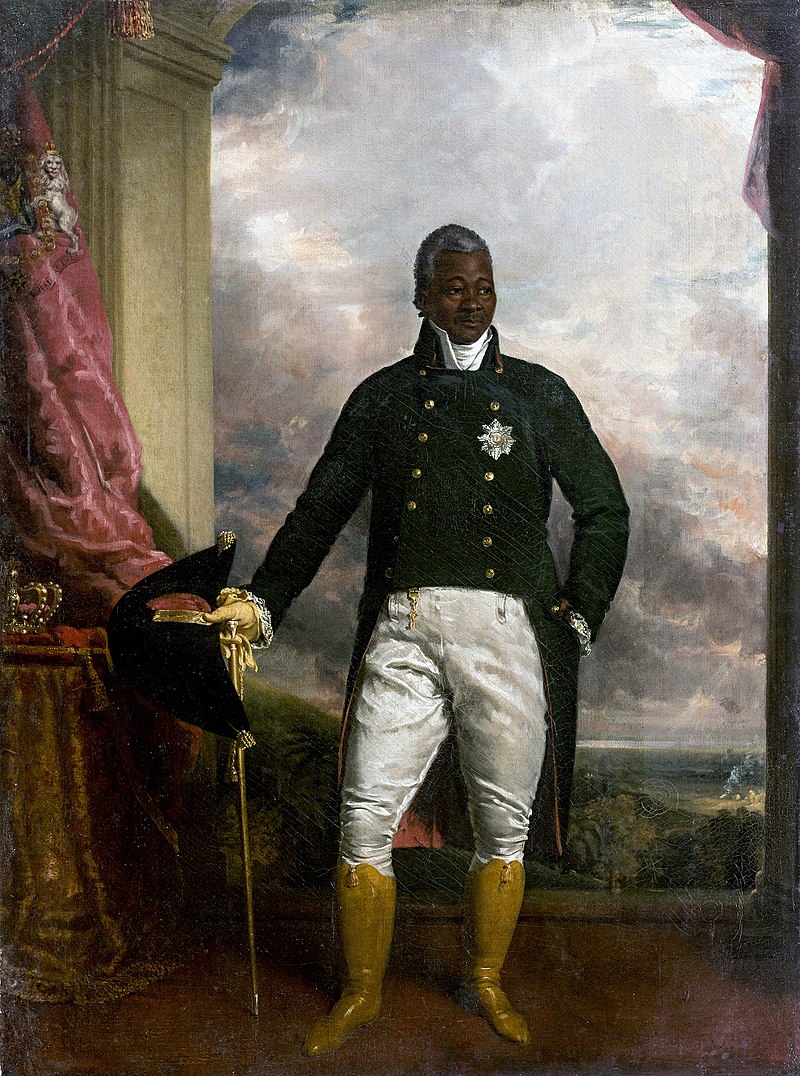
In the aftermath of the suicide of King Henry I of Haiti, the northern monarchy came to an abrupt end. King Henry I, also known as Henri Christophe, played a pivotal role in Haitian history, rising to power after the Haitian Revolution. He declared himself king in the northern part of Haiti in 1811, establishing a monarchy in contrast to the republic in the southern region.
Henry I's reign was marked by ambitious construction projects, including the famous Citadelle Laferrière. However, his rule was also characterized by authoritarianism and harsh labor policies, leading to discontent among the populace. After suffering a stroke and facing a rebellion, King Henry I took his own life, leaving a power vacuum in the northern part of Haiti.
The suicide of King Henry I had a profound impact on the political landscape of Haiti. With his death, the northern monarchy collapsed, and Haiti was reunified as a republic under President Jean-Pierre Boyer. The end of the monarchy marked a shift towards a more centralized form of government in Haiti.
The event also highlighted the fragility of monarchical rule in a country born out of a successful slave rebellion. It demonstrated the challenges of maintaining power through authoritarian means in a society still reeling from the effects of slavery and colonialism.
Overall, the suicide of King Henry I of Haiti signaled the end of an era and the beginning of a new chapter in Haitian history. It serves as a reminder of the complexities of governance in a post-colonial society striving for independence and self-determination.
#Haiti #KingHenryI #MonarchyCollapse #PoliticalTransition #HaitianHistory

Explore the Life Moments of
 AI Twin