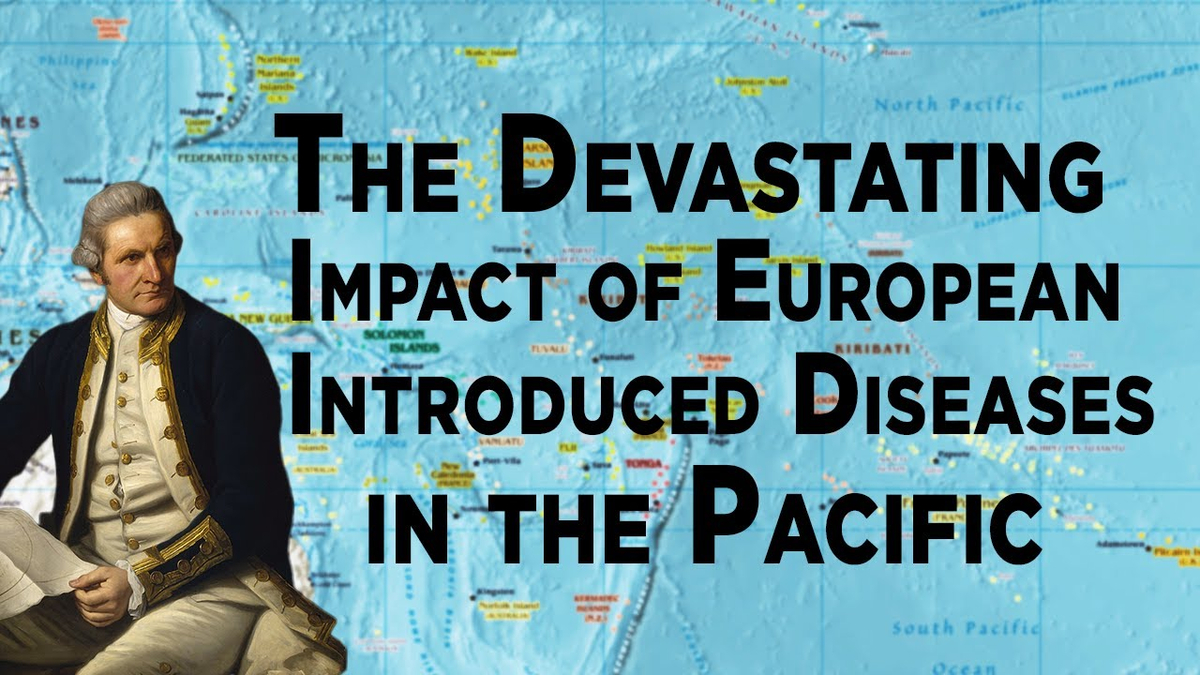
Impact of European Diseases on Indigenous Population
Haiti
3 min read
Updated By: History Editorial Network (HEN)
Published:
In 1514, when Europeans arrived in Haiti, they unknowingly brought with them diseases such as smallpox and measles. The indigenous population, who had no immunity to these diseases, faced devastating consequences. The diseases spread rapidly among the indigenous people, causing a sharp decline in their population.
The impact of the diseases was profound, leading to widespread sickness and death among the indigenous communities in Haiti. Families were torn apart, villages were decimated, and traditional ways of life were disrupted. The loss of lives and knowledge had long-lasting effects on the social structure and cultural heritage of the indigenous population.
As the diseases continued to spread, the indigenous population struggled to cope with the devastation. Medical knowledge was limited, and resources were scarce, making it difficult to treat those who fell ill. The population decline also had economic repercussions, as labor shortages hindered agricultural production and other essential activities.
The event marked a tragic chapter in the history of Haiti, highlighting the vulnerability of indigenous populations when faced with foreign diseases. It serves as a reminder of the consequences of the collision of different civilizations and the importance of understanding and respecting the health and well-being of all peoples.
#IndigenousHistory #EuropeanColonization #DiseaseOutbreak #CulturalImpact

Explore the Life Moments of
 AI Twin