Establishment of Republic after Emperor's fall
Haiti

Political
4 min read
Updated By: History Editorial Network (HEN)
Published:
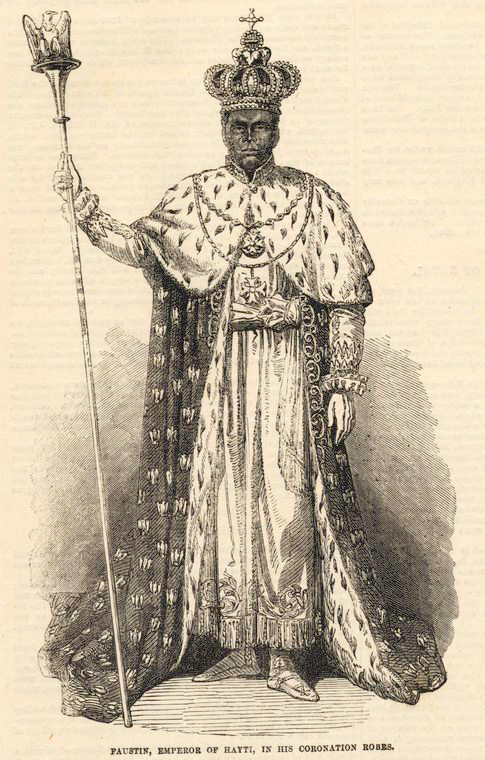
Following the overthrow of Emperor Faustin I, Haiti underwent a significant transformation as it transitioned into a republic. Faustin I's autocratic rule had left the nation in economic turmoil, with widespread corruption and oppression. The population's discontent reached a boiling point, culminating in a successful revolt that led to the establishment of a republic.
The newly formed republic saw a shift towards a more democratic and inclusive system of governance. The abolition of the monarchy symbolized a break from Haiti's tumultuous past and marked a new chapter in the nation's history. The establishment of a republic also signaled a commitment to upholding principles of equality, freedom, and justice for all citizens.
The impact of Haiti becoming a republic extended beyond its borders, inspiring other nations in the region to pursue similar paths towards independence and self-governance. The event served as a testament to the resilience and determination of the Haitian people in the face of adversity.
The transition to a republic was not without its challenges, as the nation grappled with rebuilding its institutions and fostering political stability. However, the spirit of unity and determination that fueled the revolution continued to guide Haiti towards a brighter future.
As Haiti marked this pivotal moment in its history, it paved the way for a new era of progress and development. The legacy of the republic's founding remains a source of pride for the Haitian people, serving as a reminder of their enduring commitment to freedom and self-determination.
#Haiti #Republic #EmperorFaustinI #Revolution

Explore the Life Moments of
 AI Twin