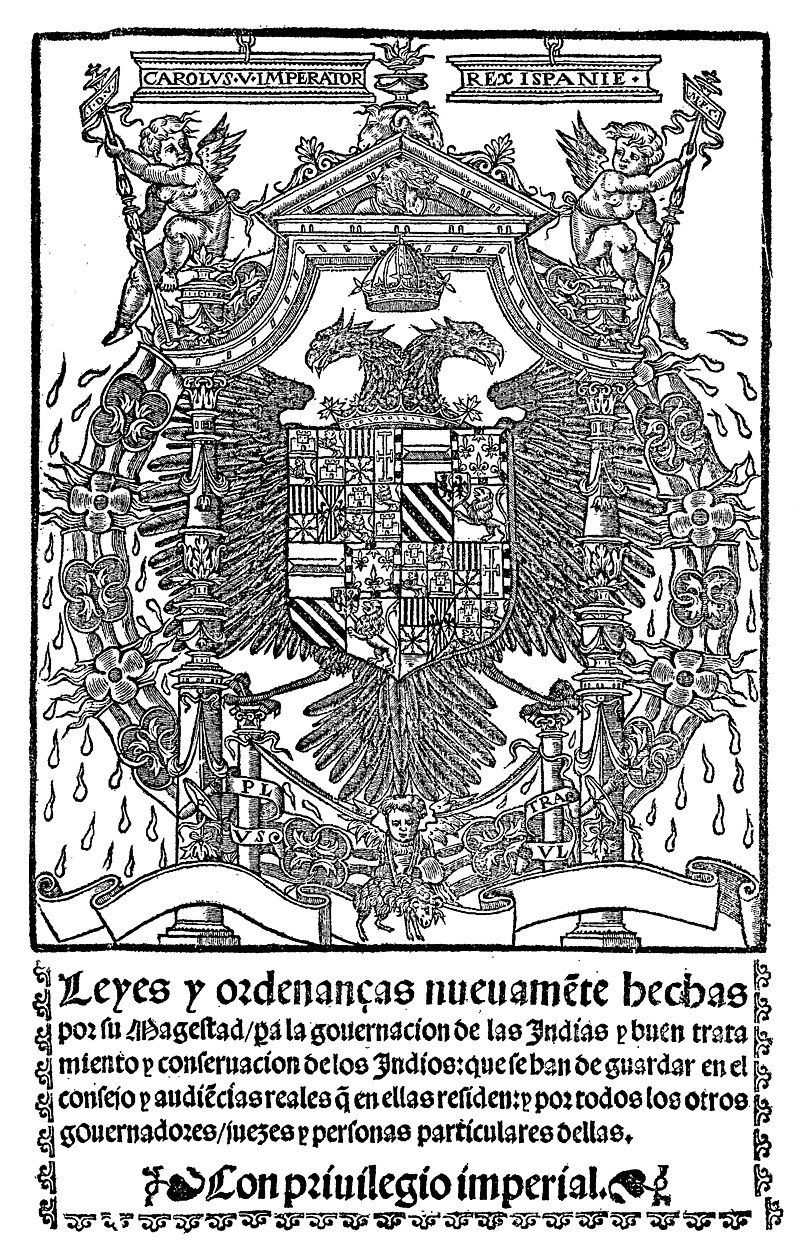
New Laws: No Enslavement of Indigenous Peoples
Haiti

Political
Human Rights
4 min read
Updated By: History Editorial Network (HEN)
Published:
In 1542, King Charles V of Spain issued the New Laws prohibiting the enslavement of indigenous peoples in the colonies, including Haiti. The background of this event can be traced back to the widespread mistreatment and exploitation of indigenous populations by Spanish colonizers in the Americas. This exploitation included forced labor, violence, and slavery.
The New Laws were aimed at improving the treatment of indigenous peoples and ensuring their rights and protection. They prohibited the enslavement of indigenous populations and mandated that they be treated fairly and with dignity. However, the implementation of these laws faced challenges due to resistance from colonizers who benefited from the labor of indigenous slaves.
Despite facing opposition, the New Laws had a significant impact on the treatment of indigenous peoples in the Spanish colonies, including Haiti. They marked a significant step towards recognizing the humanity and rights of indigenous populations and challenging the prevailing attitudes towards slavery and exploitation.
The issuance of the New Laws by King Charles V of Spain marked a turning point in the history of colonialism in the Americas. It reflected a growing awareness of the injustices faced by indigenous peoples and signaled a shift towards more humane and equitable treatment.
The New Laws prohibiting the enslavement of indigenous peoples in the colonies marked a significant moment in the history of colonialism in the Americas. They represented a step towards recognizing the humanity and rights of indigenous populations and challenging the prevailing attitudes towards slavery and exploitation.
#Haiti #IndigenousRights #Colonialism #NewLaws #HumanRights #SpanishColonization

Explore the Life Moments of
 AI Twin