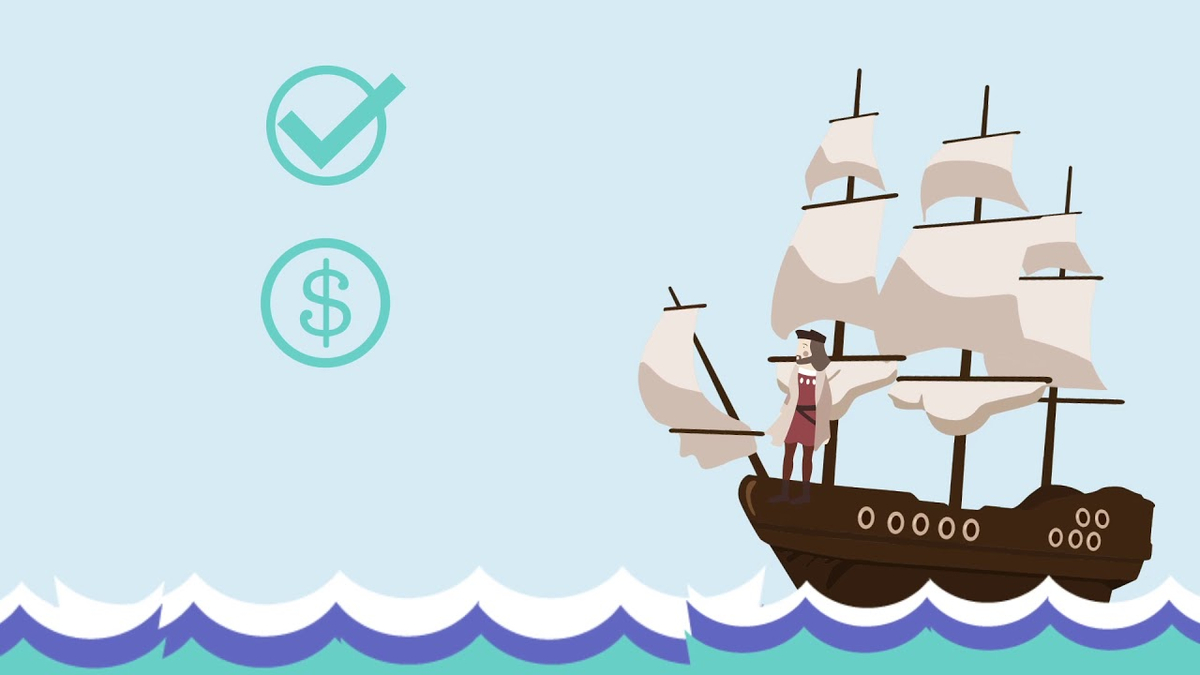
Encounter with Taíno Indigenous Population
Haiti
Indigenous
4 min read
Updated By: History Editorial Network (HEN)
Published:
In December 1492, Christopher Columbus encountered the Taíno indigenous population during his inaugural exploration to the Americas. The Taíno people, native to the island of Haiti, welcomed Columbus and his crew with warmth and curiosity. This encounter marked the beginning of European colonization in the Caribbean, leading to profound implications for the indigenous population.
Columbus' arrival in Haiti sparked a series of events that ultimately resulted in the exploitation and devastation of the Taíno civilization. The imposition of Spanish rule led to forced labor, cultural suppression, and the spread of diseases that decimated the indigenous population. The once-thriving Taíno society faced rapid decline as their land was seized, their traditions were outlawed, and their population drastically decreased.
The discovery of the Taíno people by Columbus serves as a pivotal moment in history, highlighting the collision of different cultures and the enduring impact of colonization on indigenous communities. The encounter between the explorers and the Taíno indigenes symbolizes a larger narrative of conquest, resistance, and loss that reverberates through the centuries.
Today, the legacy of the Taíno indigenous population endures in the cultural heritage of Haiti and the wider Caribbean region. Efforts to preserve and reclaim Taíno identity and traditions continue, as descendants seek to honor their ancestors' resilience and heritage. The discovery made by Columbus on the island of Haiti stands as a stark reminder of the complex and often painful history of colonization and its enduring consequences.
#Taíno #Indigenous #Columbus #Haiti #Colonization #Exploration #Encounter #Legacy #Heritage #Resilience #Consequences

Explore the Life Moments of
 AI Twin