Development of the Taíno Civilization
Haiti
Cultural Heritage
4 min read
Updated By: History Editorial Network (HEN)
Published:
The establishment of the Taíno civilization in Haiti marked a crucial moment in the island's history. The Taíno people were skilled farmers, fishermen, and craftsmen who settled in the Caribbean around 600 AD. They originated from South America and eventually spread to the Greater Antilles.
Upon their arrival in Haiti, the Taíno people developed an advanced agricultural system, cultivating crops such as maize, cassava, and sweet potatoes. They also crafted intricate pottery and jewelry, showcasing their artistic prowess. The Taíno society was structured hierarchically, with chiefs leading various villages and religious ceremonies playing a central role in their culture.
The impact of the Taíno civilization in Haiti was profound. Their innovative farming techniques transformed the landscape, leading to an abundance of food that supported a growing population. Trade networks were established with neighboring tribes, facilitating the exchange of goods and ideas.
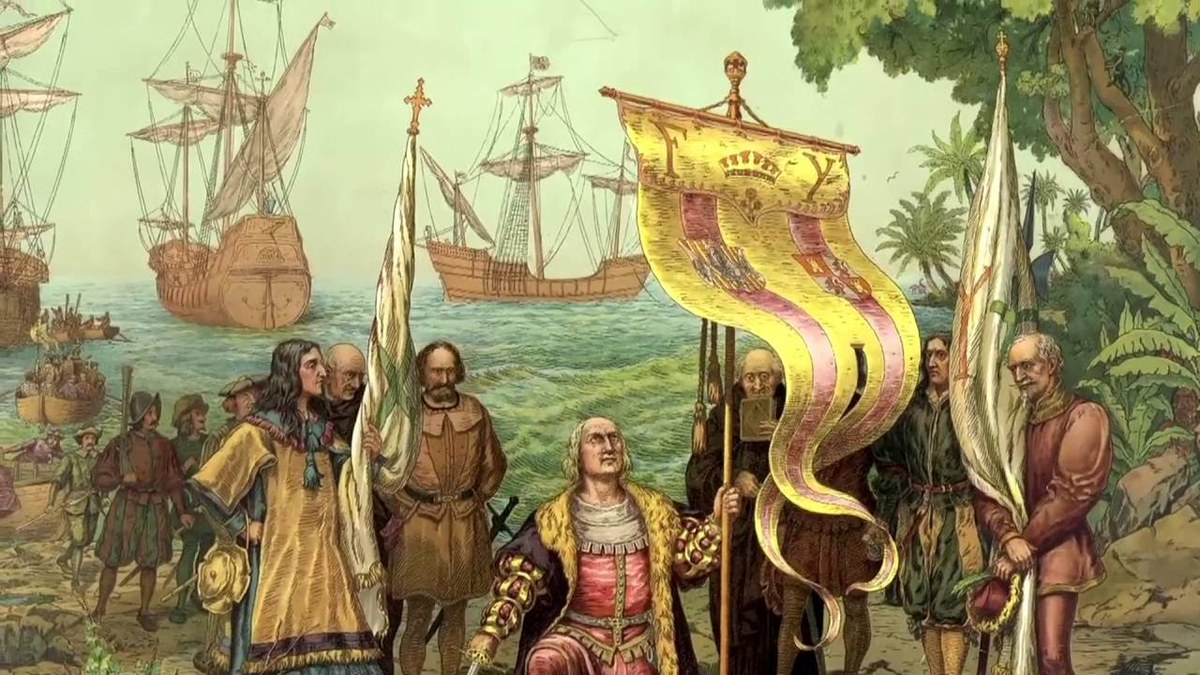
Unfortunately, the arrival of European explorers in the late 15th century brought about the decline of the Taíno civilization. The introduction of foreign diseases, forced labor, and warfare decimated their population, ultimately leading to the extinction of their culture.
Despite their eventual disappearance, the legacy of the Taíno civilization in Haiti lives on through archaeological sites, artifacts, and the influence they had on the land and its people. Their achievements in agriculture, craftsmanship, and social organization continue to be studied and celebrated.
#TaínoCivilization #HaitianHistory #CulturalLegacy #AncientCaribbean #IndigenousHeritage.

Explore the Life Moments of
 AI Twin