Devastating impact of European colonization on Taino people
Haiti
Injustice
4 min read
Updated By: History Editorial Network (HEN)
Published:
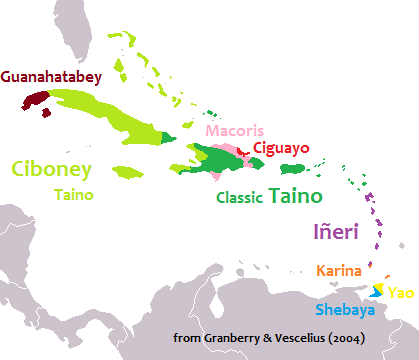
The indigenous Taino people of Hispaniola faced devastating consequences at the hands of Spanish and later French colonizers. The Taino, who once thrived on the island, were decimated by diseases brought over by the Europeans, to which they had no immunity. These illnesses, combined with harsh treatment and forced labor, led to a stark decline in the Taino population within a short period.
The arrival of the Spanish marked the beginning of the end for the Taino people. Enslaved and forced to work in mines and plantations, they suffered greatly under the brutal conditions imposed by the colonizers. Resistance was met with severe consequences, further exacerbating the already dire situation for the Taino.
As the settlement of Hispaniola continued, the French later established their presence on the island, introducing further challenges for the indigenous population. The Taino, already weakened by disease and exploitation, struggled to withstand the pressures of the new colonizers, ultimately leading to their near extinction.
The impact of the diseases and harsh treatment by the Spanish and French colonizers reverberated throughout the Taino communities, disrupting their way of life and decimating their numbers. The once-thriving population faced a tragic fate, with many succumbing to illness, violence, and forced labor.
Today, the legacy of the Taino people serves as a poignant reminder of the devastating consequences of colonization and exploitation. Their history is a testament to the resilience of indigenous cultures in the face of overwhelming challenges and serves as a call to action to protect and preserve the heritage of marginalized communities.
#TainoHistory #ColonialImpact #IndigenousResilience #HeritageProtection #HistoricalInjustice

Explore the Life Moments of
 AI Twin