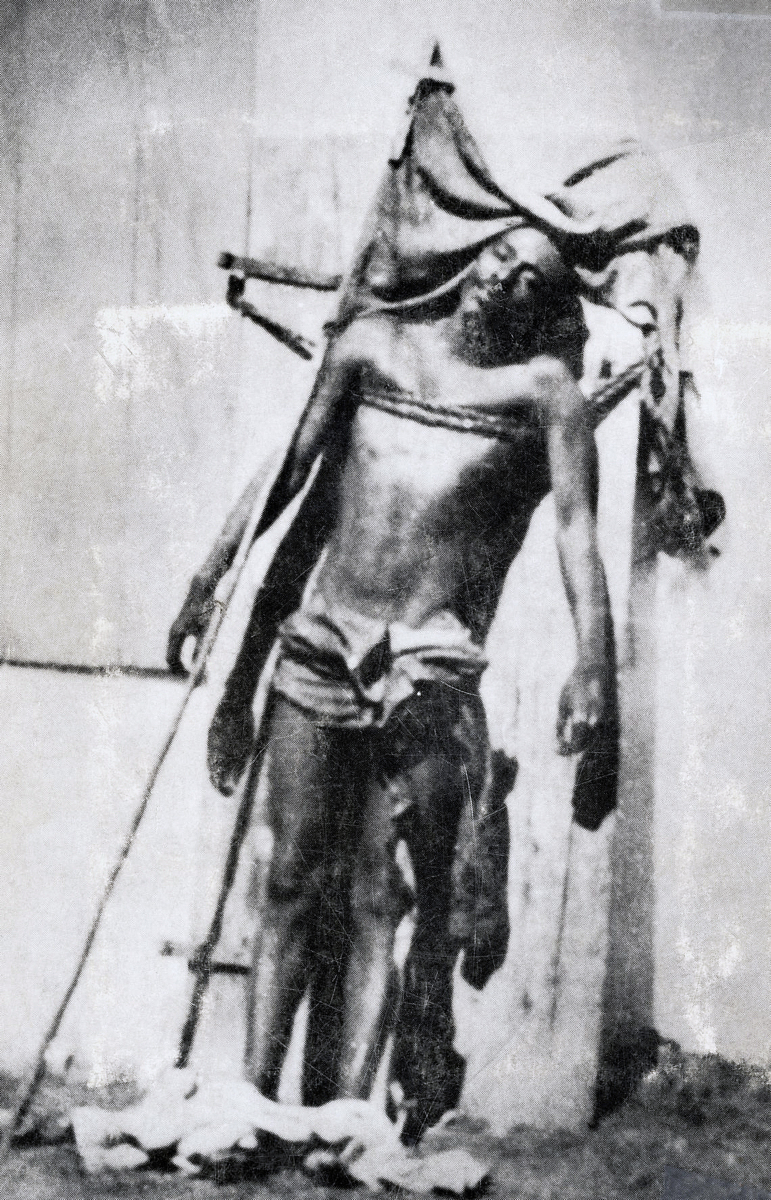
Assassination of Resistance Leader
Haiti
Political
3 min read
Updated By: History Editorial Network (HEN)
Published:
In the early 20th century, Haiti was under the occupation of the United States, facing resistance from local leaders. Charlemagne Péralte emerged as a prominent figure in the fight against the occupation, leading a guerrilla movement that aimed to liberate the country from foreign control.
Péralte's charismatic leadership and strategic tactics garnered support from Haitians who yearned for independence. His ability to mobilize forces and engage in effective asymmetric warfare made him a thorn in the side of the U.S. occupation forces.
However, his defiance came to a tragic end when he was betrayed and assassinated. This event marked a significant blow to the resistance movement and left many of his supporters disheartened. Despite his death, Péralte's legacy continued to inspire future generations of Haitian nationalists in their quest for sovereignty and self-determination.
The assassination of Charlemagne Péralte underscored the brutal realities of the fight for independence and the lengths to which foreign powers would go to maintain control. It also highlighted the resilience and determination of the Haitian people in their struggle for autonomy.
To this day, Péralte is remembered as a symbol of Haitian resistance against foreign oppression, his name synonymous with the enduring spirit of independence and sovereignty. #HaitianResistance #CharlemagnePéralte #AntiOccupation

Explore the Life Moments of
 AI Twin