Cyclone Sidr Impact on Bangladesh and India
Natural Disasters
Weather Events
Cyclones
4 min read
Updated By: History Editorial Network (HEN)
Published:
Updated:
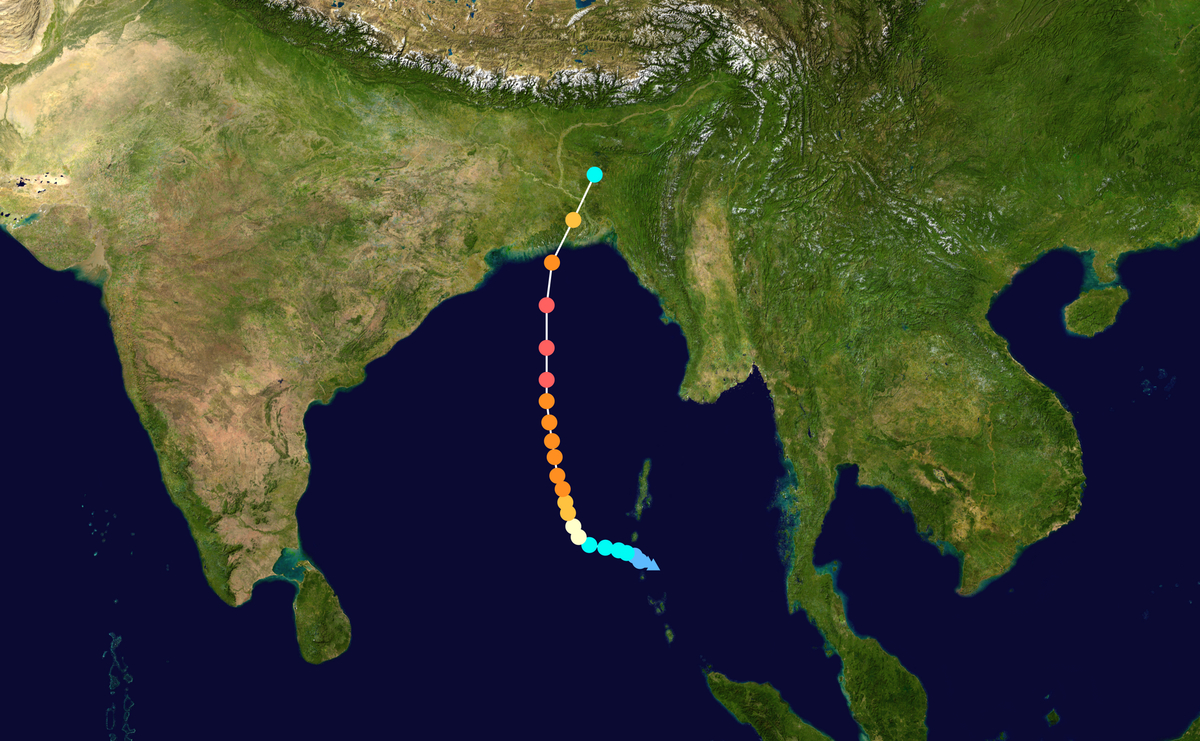
Cyclone Sidr was a powerful tropical cyclone that caused extensive damage in Bangladesh and parts of India. The cyclone formed in the Bay of Bengal and made landfall, bringing with it strong winds and heavy rainfall. The impact was particularly severe in Bangladesh, where the cyclone resulted in widespread destruction of infrastructure, homes, and agricultural land. The storm surge led to flooding in coastal areas, displacing thousands of residents and causing significant loss of life. In total, the cyclone claimed thousands of lives and left many more injured. The aftermath of Cyclone Sidr saw a massive humanitarian response, with local and international organizations mobilizing to provide relief and support to affected communities. The government of Bangladesh, along with various NGOs, worked to deliver food, medical assistance, and shelter to those impacted by the disaster. The cyclone highlighted the vulnerability of coastal regions to extreme weather events and underscored the need for improved disaster preparedness and response strategies. In India, the effects were less severe, but some areas experienced heavy rainfall and localized flooding, which disrupted daily life and agricultural activities. The overall economic impact of Cyclone Sidr was substantial, with damages estimated in the billions of dollars, affecting livelihoods and economic stability in the region. The event served as a reminder of the increasing frequency and intensity of cyclones in the Bay of Bengal, raising concerns about climate change and its implications for future weather patterns.
#mooflife
#MomentOfLife
#CycloneSidr
#Bangladesh
#India
#NaturalDisaster
#ClimateChange

Explore the Life Moments of
 AI Twin