Impact of the San Fernando Earthquake
Natural Disasters
Earthquakes
4 min read
Updated By: History Editorial Network (HEN)
Published:
Updated:
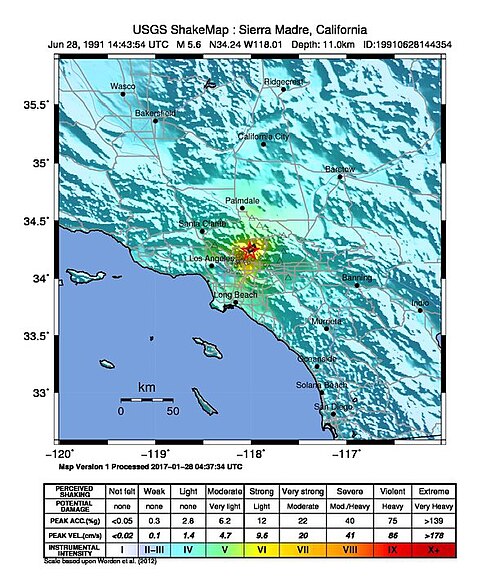
The San Fernando Earthquake, which struck the San Fernando Valley region, had a profound impact on the local community and infrastructure. The earthquake registered a magnitude of 6.6 and caused extensive damage to buildings, roads, and utilities. Approximately 65 people lost their lives, and thousands were injured. The destruction was particularly severe in areas with older construction that did not adhere to modern seismic safety standards. The aftermath of the earthquake prompted a reevaluation of building codes and emergency preparedness in California, leading to stricter regulations aimed at minimizing future risks. The event highlighted the vulnerability of urban areas to seismic activity and underscored the importance of disaster response planning. In the years following the earthquake, significant investments were made in retrofitting older structures and improving emergency response systems, which have since contributed to enhanced resilience against future earthquakes.
The earthquake also had broader implications for public policy and community awareness regarding natural disasters. It served as a catalyst for increased funding for research into earthquake prediction and mitigation strategies. Educational programs were developed to inform residents about earthquake preparedness, including the importance of having emergency kits and communication plans. The San Fernando Earthquake is often cited in discussions about the need for ongoing investment in infrastructure and public safety measures in seismically active regions. The lessons learned from this event continue to influence policies and practices aimed at reducing the impact of future earthquakes, ensuring that communities are better equipped to handle such disasters.
#mooflife
#MomentOfLife
#SanFernandoEarthquake
#EarthquakeImpact
#CaliforniaSeismicSafety
#DisasterPreparedness
#InfrastructureResilience

Explore the Life Moments of
 AI Twin