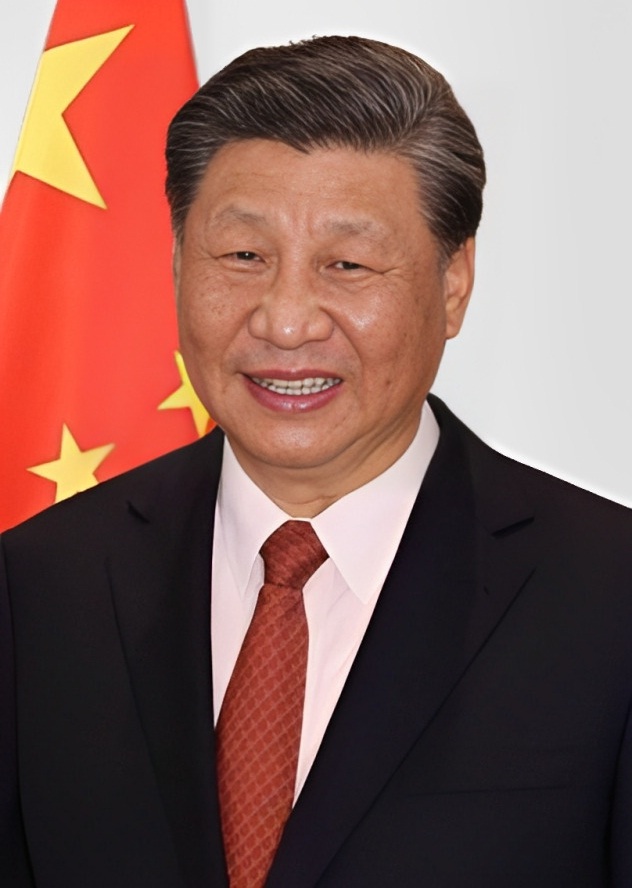
Xi Jinping Succeeds Hu Jintao as President
China
Political
Global Trade
3 min read
Updated By: History Editorial Network (HEN)
Published:
Xi Jinping assumed the position of President of China, succeeding Hu Jintao. Xi had already been serving as General Secretary of the Communist Party since the previous year, consolidating his power within the Chinese leadership. His presidency marked a shift towards a more assertive and centralized leadership style, with an emphasis on enhancing China's global standing.
Xi's presidency has been characterized by efforts to combat corruption within the government, as well as ambitious economic and foreign policy initiatives such as the Belt and Road Initiative. Under his leadership, China has sought to assert its influence on the world stage, leading to both admiration and concern from the international community.
Xi's rise to power represents a significant moment in Chinese politics, signaling a departure from the collective leadership model of previous decades towards a more centralized and personalistic style of governance. His presidency has also seen a tightening of control over civil society and a crackdown on dissent, raising questions about the future direction of China's political development.
#XiJinping #PresidentOfChina #ChineseLeadership #BeltAndRoadInitiative #ChinesePolitics #GlobalInfluence
Explore the Life Moments of
 AI Twin