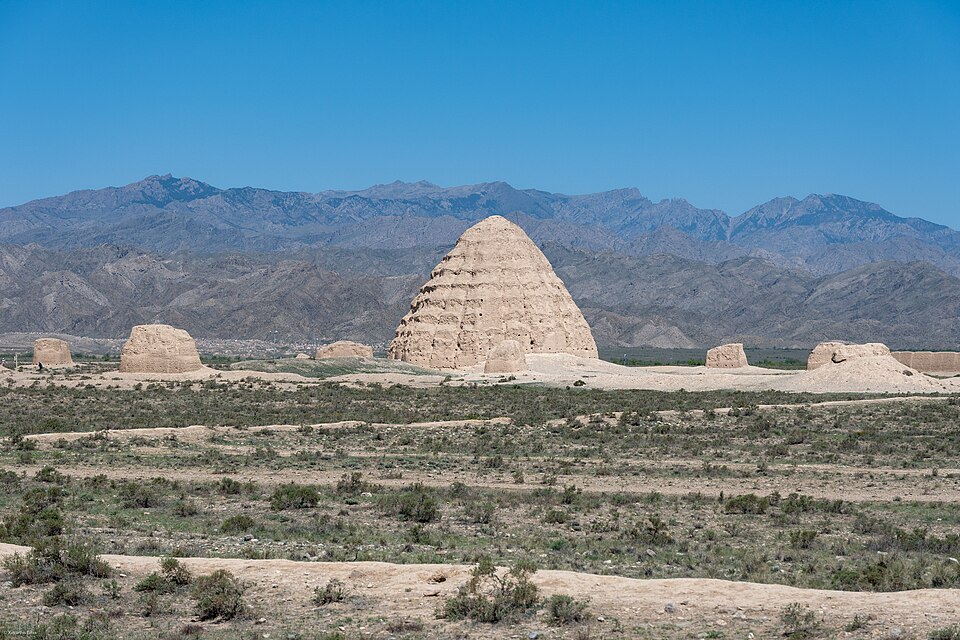
Xixia Imperial Tombs Designated as World Heritage Sites
China
Cultural Heritage
Historical Sites
World Heritage
4 min read
Updated By: History Editorial Network (HEN)
Published:
Updated:
The Xixia Imperial Tombs, located in the Ningxia Hui Autonomous Region of China, have been recognized for their historical and cultural significance by UNESCO. This designation as World Heritage Sites highlights the importance of these tombs in understanding the history of the Xixia Kingdom, which existed from the 11th to the 13th centuries. The tombs serve as a testament to the architectural and artistic achievements of the Xixia people, who were known for their unique blend of Chinese and Tibetan cultures.
The Xixia Imperial Tombs consist of a series of burial sites that reflect the customs and beliefs of the Xixia dynasty. These tombs are characterized by their distinctive structures, which include large mounds and intricate stone carvings. The site provides valuable insights into the funerary practices of the time, as well as the social hierarchy and political organization of the Xixia Kingdom.
The recognition by UNESCO is expected to enhance the preservation efforts for the tombs, ensuring that they are protected for future generations. This designation also aims to promote tourism in the region, which can contribute to the local economy. The Xixia Imperial Tombs are now part of a global network of World Heritage Sites, which raises awareness of their significance and encourages international cooperation in heritage conservation.
In summary, the designation of the Xixia Imperial Tombs as World Heritage Sites underscores their importance in the historical narrative of China and the need for ongoing preservation efforts. The site not only serves as a cultural landmark but also as a resource for education and research on the Xixia Kingdom and its contributions to Chinese history.
#MoofLife
#MomentOfLife
#Xixiaimperialtombs
#Worldheritagesites
#Unesco
#Culturalheritage
#Historicalsignificance
Primary Reference
China's Xixia Imperial Tombs inscribed as UNESCO World Heritage Site

Explore the Life Moments of
 AI Twin