One-Child Policy: Population Control Measure
China

Political
Social
3 min read
Updated By: History Editorial Network (HEN)
Published:
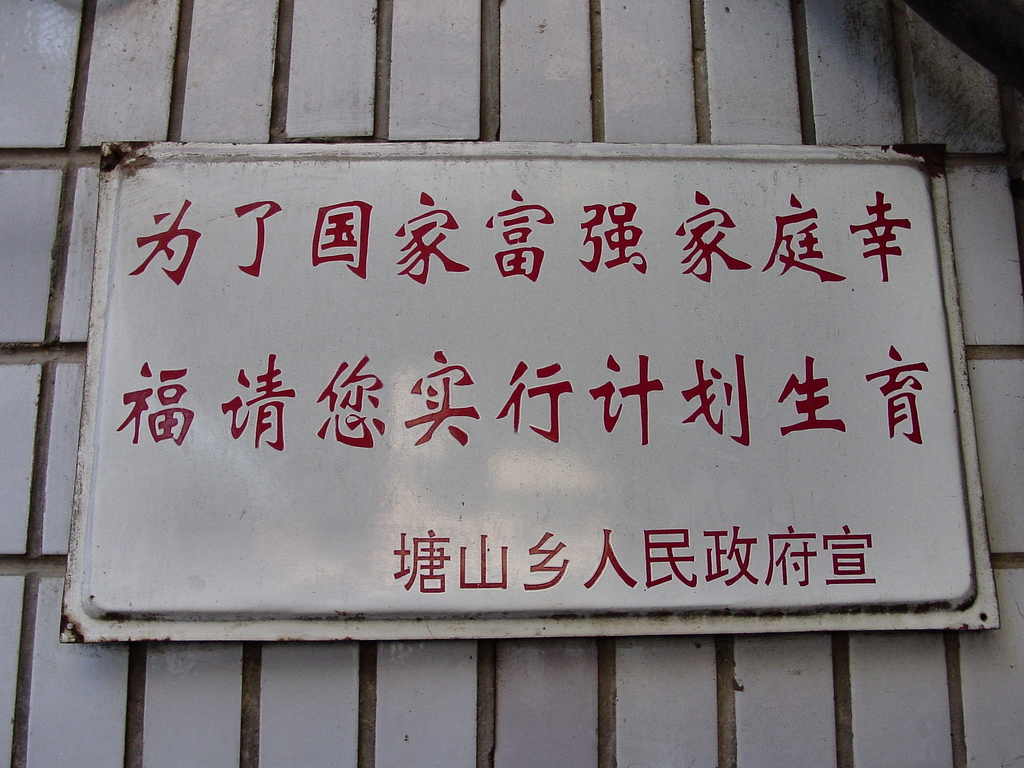
In response to concerns over population growth, the Chinese government implemented the One-Child Policy. Families were restricted to having only one child, with penalties for those who did not comply. This policy aimed to alleviate social, economic, and environmental issues resulting from overpopulation.
The implementation of the policy led to a significant demographic shift in China, with a decrease in the birth rate and a skewed gender ratio due to a preference for male children. There were also reports of forced abortions and sterilizations, which raised human rights concerns both domestically and internationally.
Economically, the One-Child Policy had mixed impacts. While it helped curb population growth and alleviate pressure on resources, an aging population presented new challenges, such as a shrinking workforce and increased dependency ratio.
In recent years, the Chinese government has relaxed the One-Child Policy, allowing families to have two children to address demographic imbalances. The long-term effects of the policy continue to shape China's population dynamics and societal structure today.
#China #OneChildPolicy #PopulationControl #DemographicShift #HumanRights #EconomicImpact

Explore the Life Moments of
 AI Twin