Mao Zedong's Cultural Revolution sparks social and political upheaval
China

Political
SocialUpheaval
3 min read
Updated By: History Editorial Network (HEN)
Published:
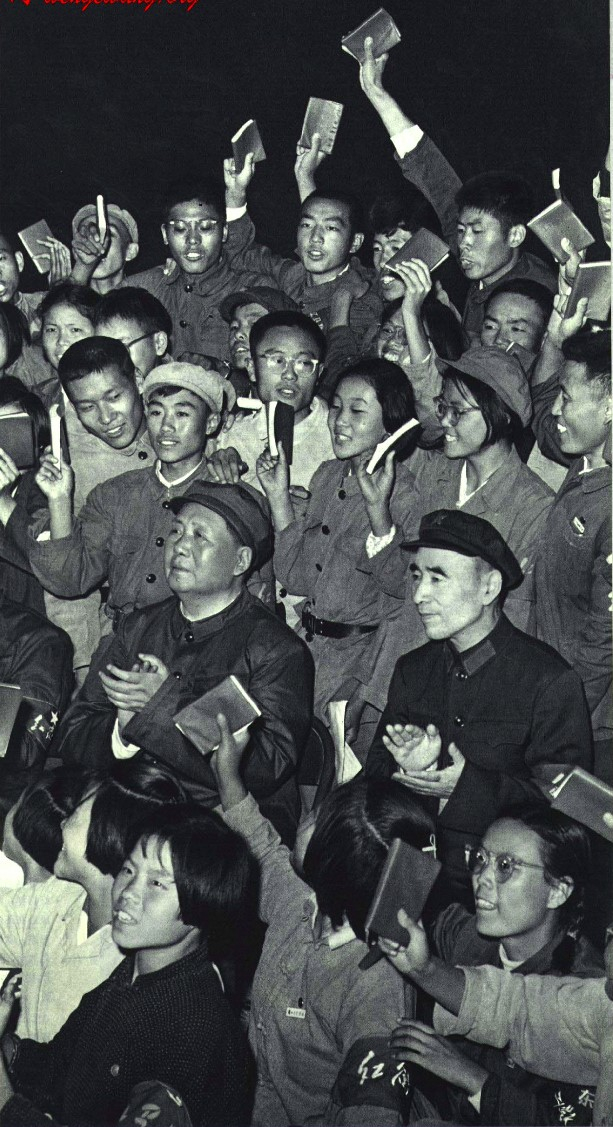
Mao Zedong initiated the Cultural Revolution in China, aiming to reassert his authority over the Communist Party. This movement sought to eliminate remnants of capitalist and traditional elements within Chinese society. Mobilizing the youth into Red Guard units, Mao encouraged them to target intellectuals, artists, and anyone perceived as a threat to the Communist ideology. The ensuing chaos led to widespread violence, destruction of historical sites, and persecution of millions of people.
The Cultural Revolution caused significant political and social upheaval across China. Schools and universities were shut down, and the economy suffered due to the disruption of production and agriculture. Countless lives were lost, families torn apart, and the fabric of society deeply damaged. The turmoil continued until Mao's death, ultimately leaving a scar on Chinese history.
The effects of the Cultural Revolution can still be felt in China today, with political repercussions, ongoing debates about its legacy, and lingering trauma among survivors. It fundamentally altered the country's social structure and cultural landscape, shaping generations to come. Understanding this turbulent period is crucial to comprehending modern China's complexities.
#China #MaoZedong #CulturalRevolution #SocialUpheaval #PoliticalUnrest #HistoricalImpact
Explore the Life Moments of
 AI Twin