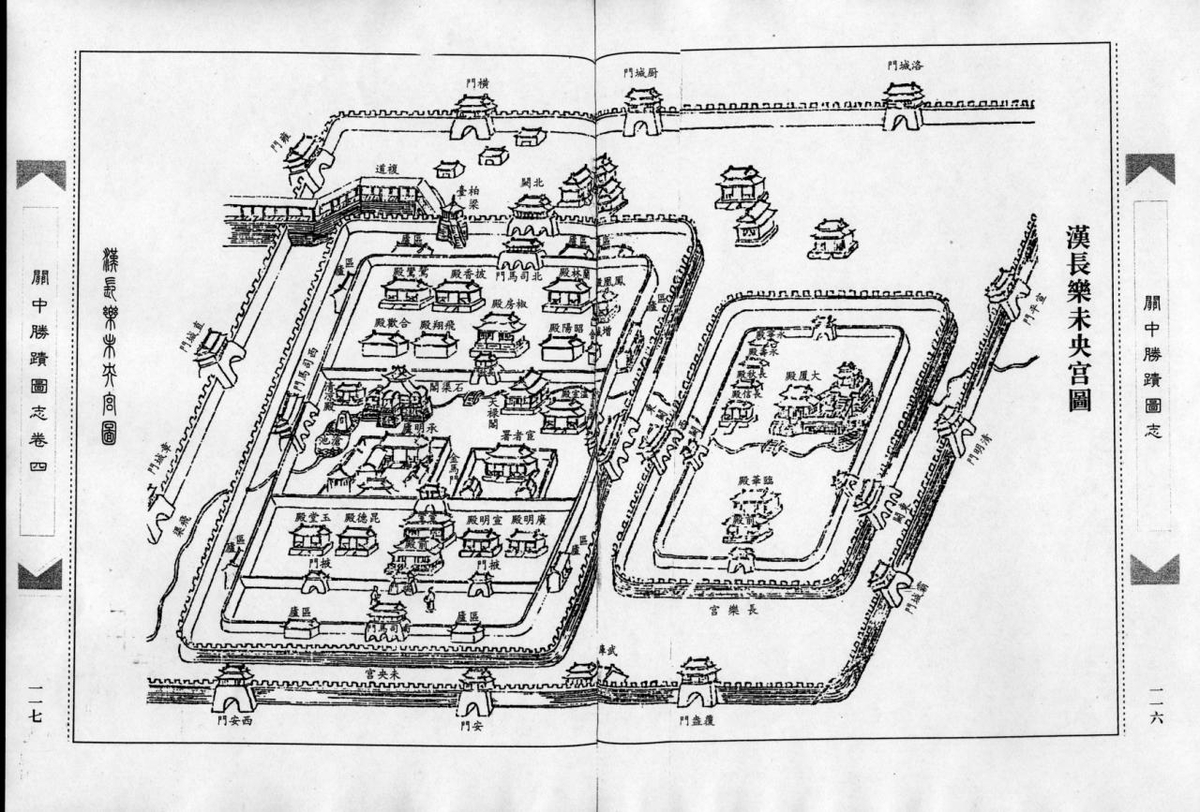
Destruction of Weiyang Palace in Peasant Uprising
China
Political
Chinese
3 min read
Updated By: History Editorial Network (HEN)
Published:
During a peasant rebellion, Weiyang Palace, the imperial palace of the Western Han dynasty, was burned down. The rebellion was a result of growing dissatisfaction among the peasants towards the ruling elite due to heavy taxation and exploitation. The burning of the palace symbolized a major shift in power dynamics and marked a turning point in the history of the Han dynasty.
The destruction of Weiyang Palace had a profound impact on the political landscape of the era, leading to the weakening of the central government and the rise of regional warlords. It also signified the decline of the Han dynasty's authority and control over the vast empire.
The loss of Weiyang Palace, with its historical and cultural significance, left a lasting impact on Chinese history. The event serves as a reminder of the social and political instability that can arise from widespread discontent and inequality within society.
#WeiyangPalace #WesternHanDynasty #PeasantRebellion #HanDynastyDecline #PoliticalUnrest #ChineseHistory

Explore the Life Moments of
 AI Twin