Global Infrastructure and Economic Enhancement Initiative
China
Global Trade
Economic Development
4 min read
Updated By: History Editorial Network (HEN)
Published:
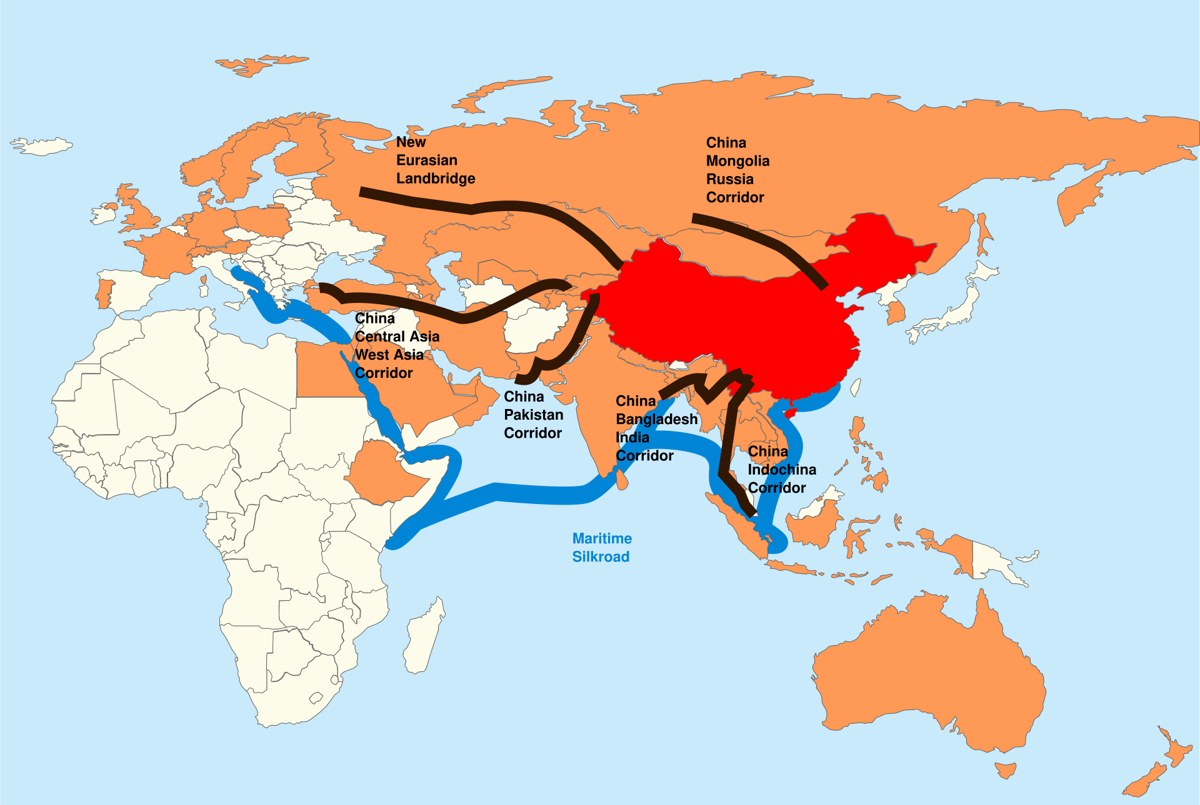
China initiated the Belt and Road Initiative to improve international infrastructure and economic ties. The project aims to recreate the ancient Silk Road by connecting Asia with Europe and Africa through vast transportation and trade networks. This initiative envisions enhancing cooperation among countries, boosting trade, and fostering economic growth.
The Belt and Road Initiative encompasses various projects such as the construction of railways, highways, ports, and pipelines across different regions. By improving connectivity and reducing trade barriers, China intends to promote economic development and cultural exchange among participating countries. The establishment of the Asian Infrastructure Investment Bank (AIIB) also supports the financing of infrastructure projects across Asia.
Since its launch, the Belt and Road Initiative has garnered both praise and criticism. While some nations have benefited from increased infrastructure investment and trade opportunities, others have raised concerns about debt sustainability and geopolitical implications. Nonetheless, the initiative has gained momentum with more than 100 countries and international organizations participating in its development.
Overall, the Belt and Road Initiative signifies China's commitment to enhancing global connectivity and fostering economic cooperation on a massive scale. It is reshaping international trade dynamics and facilitating infrastructure development across continents. #BeltandRoadInitiative #ChinaConnectivity #GlobalEconomicDevelopment

Explore the Life Moments of
 AI Twin