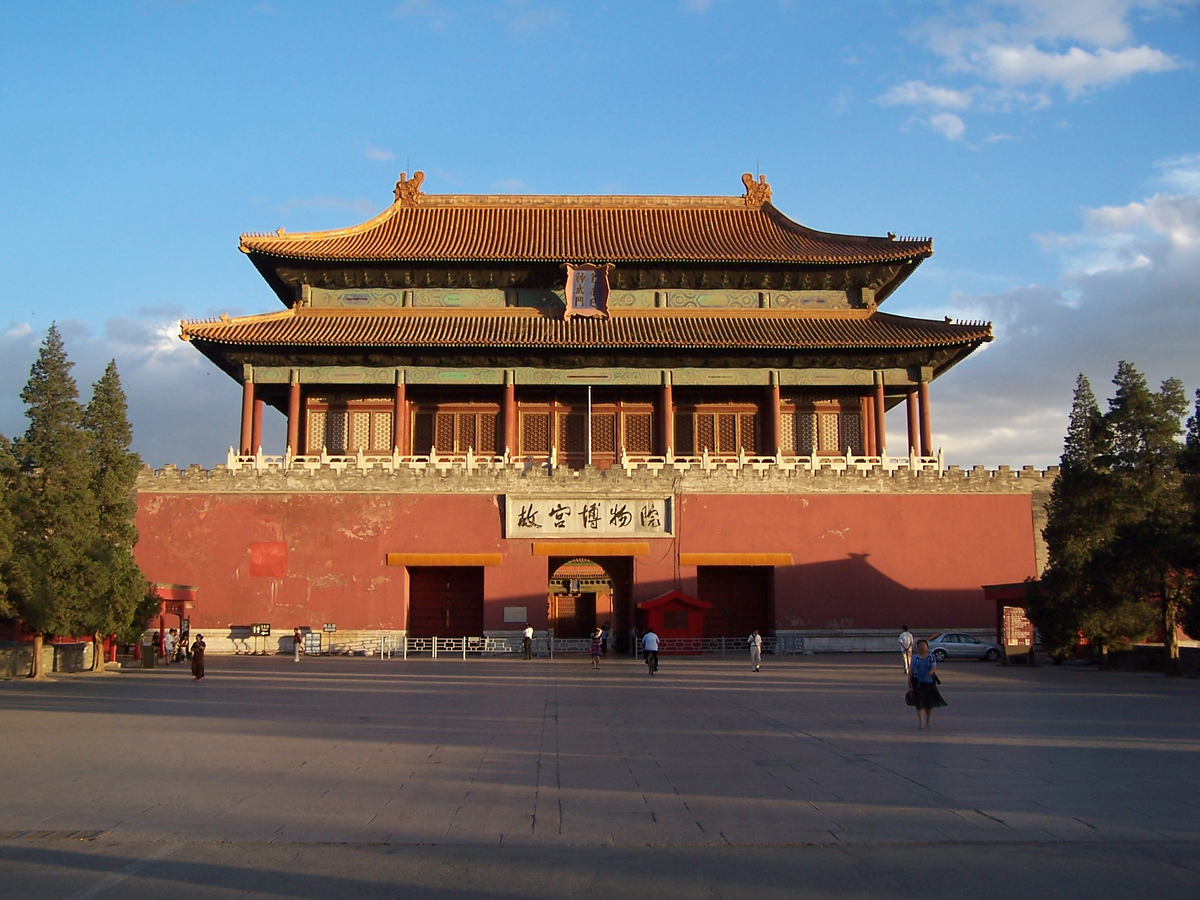
Forbidden City in Beijing now complete after centuries of construction
China

Cultural Heritage
3 min read
Updated By: History Editorial Network (HEN)
Published:
Construction of the Forbidden City in Beijing was completed after 14 years of meticulous planning and labor. The project was initiated by the Ming dynasty's third emperor and served as the imperial palace for centuries. Its architectural grandeur and strategic layout symbolized the power and prestige of the Chinese emperor.
The Forbidden City housed the imperial court and was strictly off-limits to the general public. It represented the heart of the Chinese empire and played a crucial role in political and ceremonial events. The complex consists of over 90 palaces, courtyards, and gardens, showcasing traditional Chinese architecture and design.
The completion of the Forbidden City solidified Beijing's status as the capital of China and a center of political authority. It remains one of the most visited and well-preserved historical sites in the world, offering a glimpse into China's imperial past.
Today, the Forbidden City stands as a UNESCO World Heritage Site, attracting millions of visitors annually. It continues to be a symbol of China's rich cultural heritage and a reminder of the country's imperial legacy. #ForbiddenCity #Beijing #ImperialChina

Explore the Life Moments of
 AI Twin