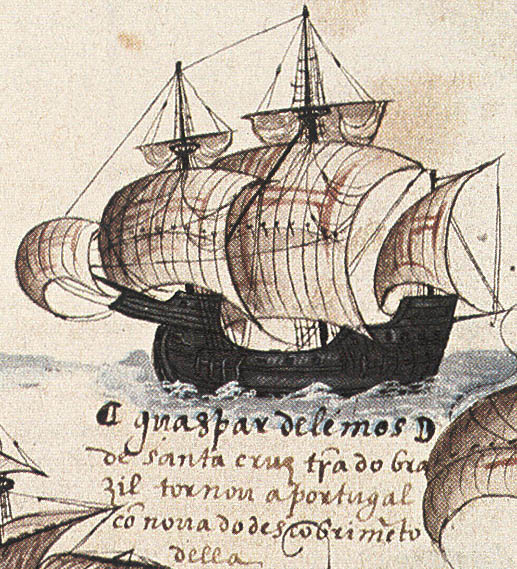
Portuguese explorers discover Guanabara Bay, naming it Rio de Janeiro.
Brazil

Global Trade
Colonialism
3 min read
Updated By: History Editorial Network (HEN)
Published:
Portuguese explorers under the command of Gaspar de Lemos or Gonçalo Coelho reached Guanabara Bay, Brazil. They named it Rio de Janeiro, due to mistakenly believing it was a river mouth. The explorers were seeking new trade routes and territories for Portugal. The discovery marked the first contact between Europeans and the indigenous Tupinamba people.
The arrival of the Portuguese expeditions in Guanabara Bay laid the foundation for the establishment of a Portuguese colony in the region. This event was significant in the larger context of European colonization and the subsequent impact on the indigenous populations.
Rio de Janeiro would later become a major port city and the capital of Brazil for nearly two centuries. The city played a crucial role in the transatlantic slave trade and became a hub for cultural exchange, resulting in a diverse population with strong African and indigenous influences.
The exploration of Guanabara Bay by Gaspar de Lemos or Gonçalo Coelho exemplifies the Age of Discovery and the expansion of European powers into the New World. It is a key moment in the history of Brazil, shaping its future development and cultural landscape. #PortugueseExplorers #RioDeJaneiro #Colonialism #CulturalExchange

Explore the Life Moments of
 AI Twin