The End of Slavery in Brazil
Brazil

Historic Event
Social Transformation
3 min read
Updated By: History Editorial Network (HEN)
Published:
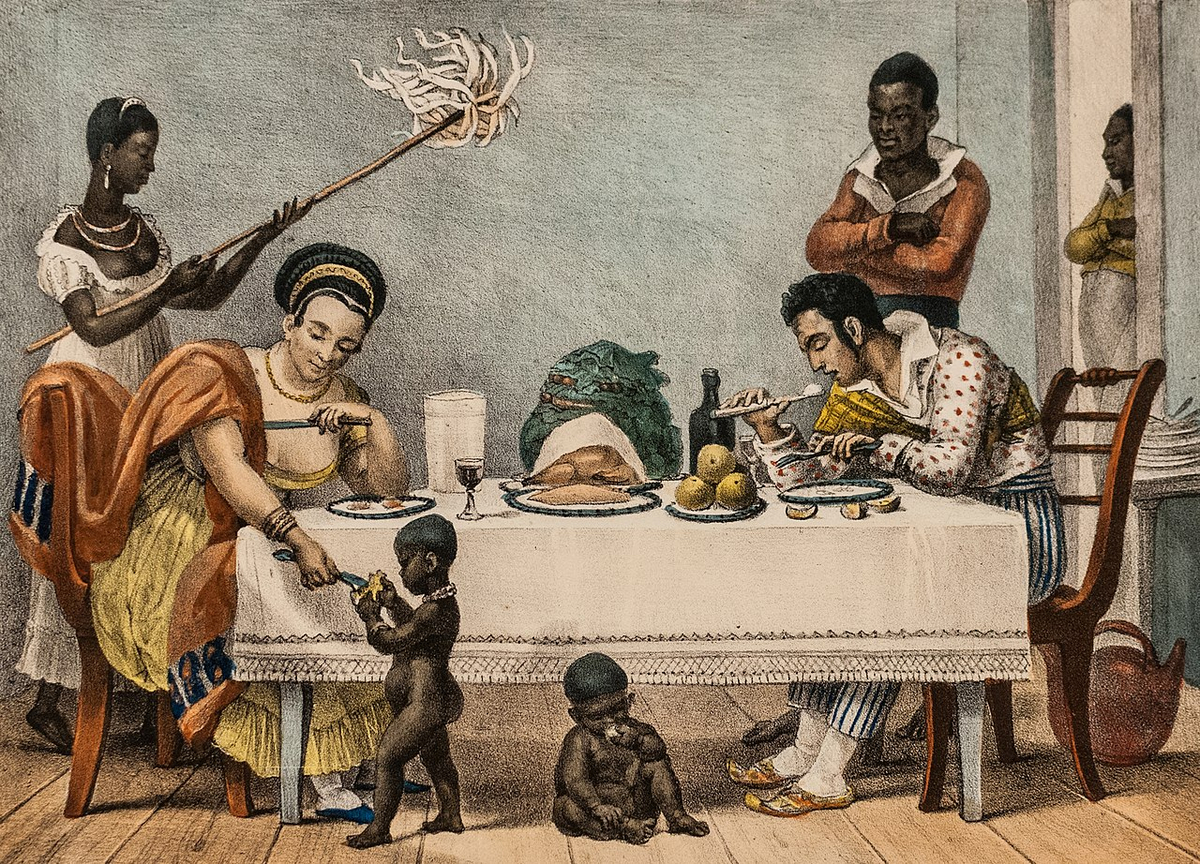
In 1888, Brazil took a monumental step by officially abolishing slavery, marking the end of centuries of inhumane and exploitative practices. The roots of slavery in Brazil can be traced back to the early days of colonization when Portuguese settlers brought enslaved Africans to work on sugar plantations. Over time, the institution of slavery became deeply embedded in Brazilian society, shaping its economy and social structure.
The road to emancipation was long and arduous, marked by resistance, uprisings, and gradual reforms. However, it was the relentless efforts of abolitionist movements, both domestic and international, that ultimately led to the culmination of this historic event. The signing of the Golden Law Act by Princess Isabel, daughter of Emperor Pedro II, marked the official end of slavery in Brazil, granting freedom to over a million enslaved individuals.
The impact of this event was profound, ushering in a new era of freedom and opportunity for formerly enslaved people. It not only transformed the labor force and economy but also paved the way for greater social equality and justice. Despite the challenges that followed, the abolition of slavery in Brazil stands as a testament to the power of collective action and the enduring struggle for human rights and dignity.
#AbolitionBrazil #Emancipation #FreedomForAll #HistoricEvent

Explore the Life Moments of
 AI Twin