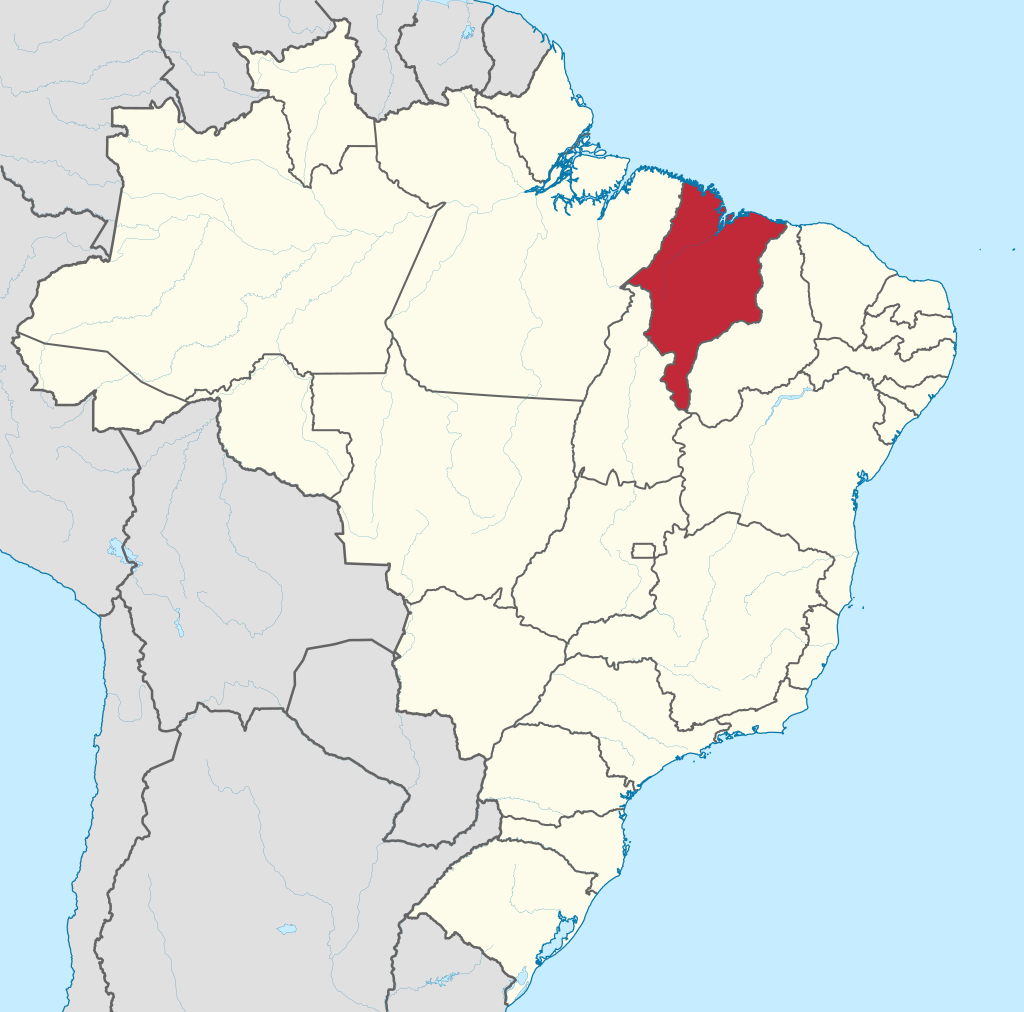
Formation of Maranhão and Grão-Pará State
Brazil
Colonial Administration
Economic Development
3 min read
Updated By: History Editorial Network (HEN)
Published:
The formation of the state of Maranhão and Grão-Pará in Portuguese Brazil was a crucial administrative reorganization that aimed to strengthen colonial rule in the northern region. Prior to this division, the vast area was governed by a single entity, which often led to inefficiency in governance due to its sheer size. The decision to split Maranhão and Grão-Pará into two separate states was pivotal in enhancing local administration and promoting economic development.
Following the division, each state had its own capital and government, allowing for more focused attention on the specific needs of the region. Maranhão and Grão-Pará became centers of economic activity, particularly in agriculture and trade, further enriching the Portuguese colonial enterprise. The establishment of distinct states also facilitated better law enforcement, tax collection, and overall governance in the area.
The formation of Maranhão and Grão-Pará underscored the strategic importance of the northern territories in the Portuguese colonial strategy, ensuring better control and exploitation of the region's resources. This administrative restructuring played a significant role in the consolidation of Portuguese power in Brazil and contributed to the economic growth and stability of the colonies in the northern part of the country.
#ColonialAdministration #EconomicDevelopment #PortugueseColonization

Explore the Life Moments of
 AI Twin