Development of Artificial Intelligence Art
Italy
Artificial Intelligence
Digital Art
Technology and Creativity
3 min read
Updated By: History Editorial Network (HEN)
Published:
Updated:
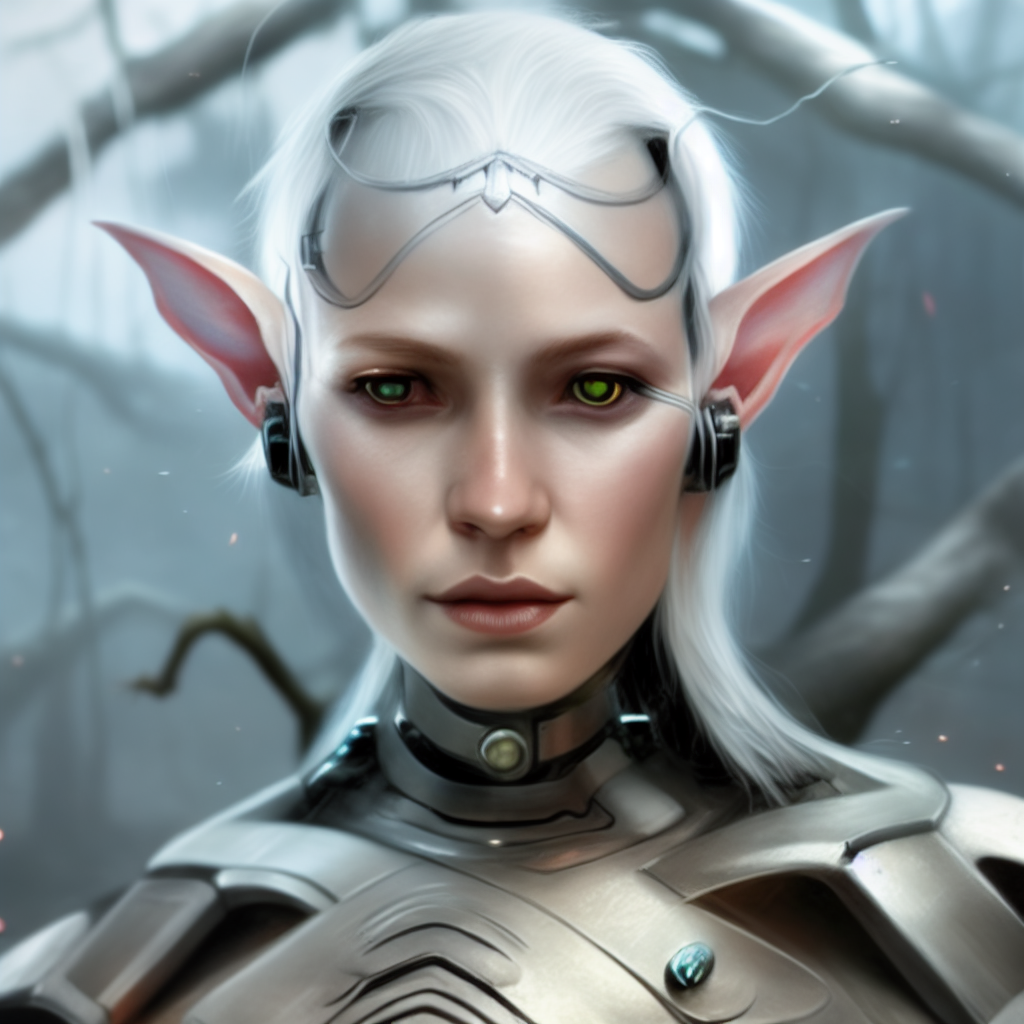
Artificial intelligence art, commonly referred to as AI art, emerged as a notable field in the early 2000s, driven by advancements in technology and the increasing accessibility of AI algorithms. Artists and researchers began to experiment with these algorithms to produce a diverse range of artworks, including visual art, music, and literature. This intersection of creativity and technology has prompted discussions about the essence of art and the evolving role of the artist in the creative process. AI art challenges traditional notions of authorship and creativity, as it often involves collaboration between human artists and machine learning systems.
The impact of AI art extends beyond the art community, influencing various sectors such as entertainment, advertising, and education. The use of AI in art creation has led to the development of new tools and platforms that allow for greater experimentation and innovation. For instance, algorithmic art, a subset of AI art, utilizes mathematical algorithms to generate visual compositions, while computer graphics techniques enhance the visual quality of these works. As AI continues to evolve, its role in the art world raises important questions about originality, creativity, and the future of artistic expression, making it a significant area of exploration in contemporary art discourse.
#mooflife
#MomentOfLife
#AiArt
#ArtificialIntelligence
#DigitalArt
#AlgorithmicArt
#CreativeTechnology
Primary Reference
Artificial intelligence visual art

Explore the Life Moments of
 AI Twin