CoBrA Art Movement Overview
Italy
Art
Movement
3 min read
Updated By: History Editorial Network (HEN)
Published:
Updated:
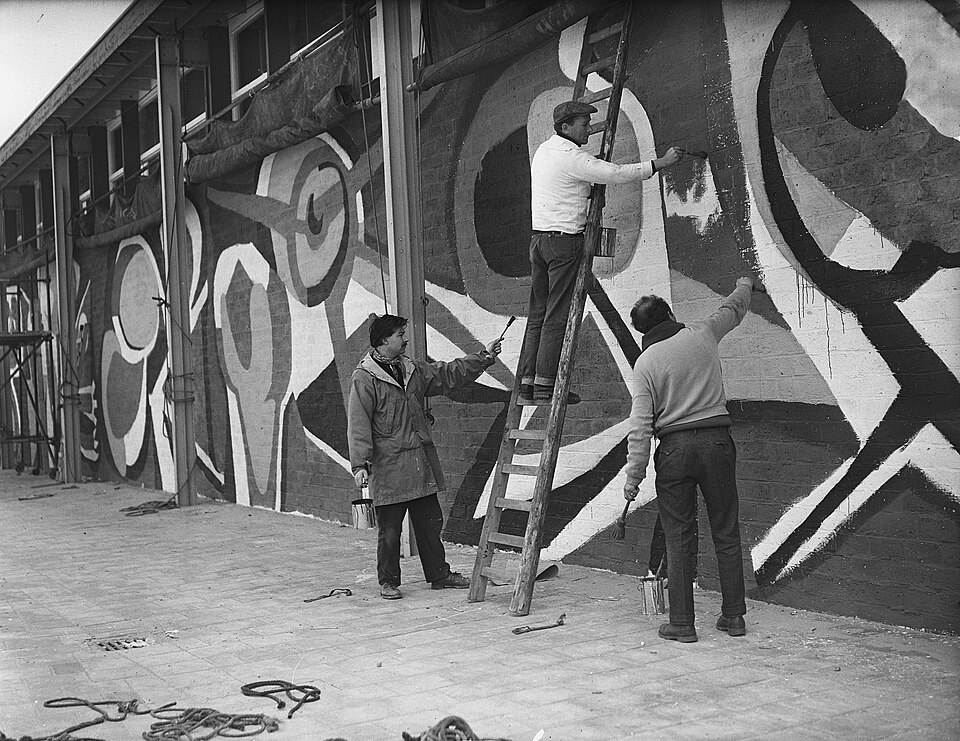
The CoBrA art movement emerged in the late 1940s, founded by a group of artists from Copenhagen, Brussels, and Amsterdam. The name CoBrA is derived from the initials of these cities. The movement was characterized by its emphasis on spontaneity, experimentation, and a rejection of traditional artistic conventions. Artists associated with CoBrA sought to express their emotions and ideas through vibrant colors and dynamic forms, often drawing inspiration from folk art, children's drawings, and the surrealist movement. This approach marked a departure from the more restrained styles of the time, allowing for a broader interpretation of what art could be.
Despite its brief existence, the CoBrA movement significantly influenced the trajectory of European abstract art. It encouraged artists to explore new techniques and materials, paving the way for later movements such as Informalism and Art Brut. The emphasis on freedom of expression resonated with many artists, leading to a more personal and emotional approach to art-making. The legacy of CoBrA can be seen in the works of subsequent generations of artists who embraced its principles of spontaneity and color, contributing to the evolution of modern art in Europe and beyond.
#mooflife
#MomentOfLife
#Cobra
#ArtMovement
#EuropeanAbstractArt
#FreedomOfExpression
#VibrantColors
Primary Reference
COBRA (art movement)

Explore the Life Moments of
 AI Twin