Exploring Algorithmic Art and Altermodernism
Italy
Art
Culture
Technology
4 min read
Updated By: History Editorial Network (HEN)
Published:
Updated:
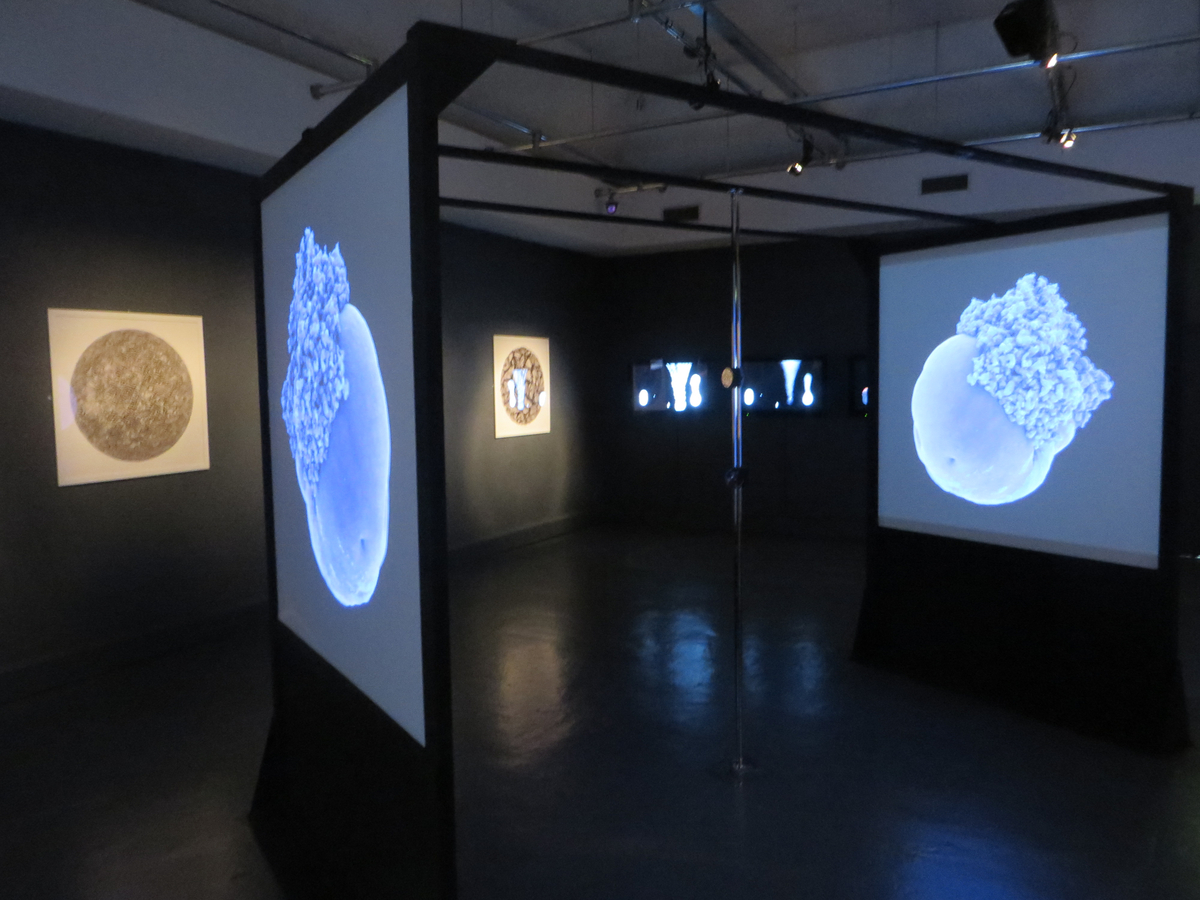
Algorithmic art, a branch of generative art, has its roots in the mid-20th century when artists began to explore the capabilities of computers to produce complex designs. This form of art utilizes algorithms to generate visual representations, music, and literature, allowing for a unique intersection of technology and creativity. Early pioneers in this field recognized the potential of computers to create intricate patterns and forms that traditional methods could not replicate. As technology advanced, so did the sophistication of algorithmic art, leading to a diverse range of styles and techniques that reflect the evolving relationship between art and technology. The integration of artificial intelligence into this domain has further expanded the possibilities, enabling artists to create works that can learn and adapt over time, thus blurring the lines between creator and creation.
Altermodernism, a term coined to describe contemporary art that reflects the complexities of globalization and technological advancement, aligns closely with the principles of algorithmic art. This movement emphasizes the fluidity of identity and culture in a rapidly changing world, often incorporating digital and algorithmic elements to challenge traditional notions of authorship and originality. The rise of digital art and computer graphics has facilitated new forms of expression, allowing artists to engage with themes of biomorphism and craftivism, where the organic and the digital converge. The impact of these movements is evident in the art world today, as artists increasingly utilize algorithms and digital tools to explore new narratives and aesthetics, ultimately reshaping the landscape of modern art.
#mooflife
#MomentOfLife
#AlgorithmicArt
#Altermodernism
#DigitalArt
#GenerativeArt
#ArtificialIntelligenceArt
Primary Reference
Algorithmic art

Explore the Life Moments of
 AI Twin