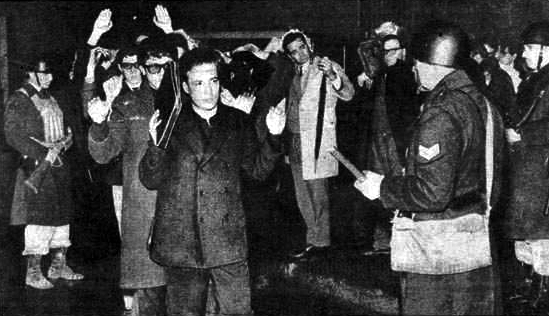
General Onganía assumes power, represses political parties during his regime in Argentina.
Argentina
Political
4 min read
Updated By: History Editorial Network (HEN)
Published:
Updated:
General Juan Carlos Onganía took power through a military coup, marking the beginning of a repressive military regime in Argentina. Onganía's regime aimed to restore order and stability following a period of political and social unrest. Upon assuming power, Onganía dissolved political parties, unions, and student organizations, imposing strict censorship laws and cracking down on dissent. This authoritarian rule led to a significant restriction of civil liberties and widespread human rights abuses.
The repressive measures implemented by Onganía sparked resistance and opposition from various sectors of Argentine society, including students, workers, and political activists. Massive protests and strikes erupted across the country in response to the regime's oppressive policies. The violent suppression of dissent resulted in numerous casualties and arbitrary arrests.
Onganía's authoritarian rule generated a climate of fear and repression, silencing opposition voices and instilling a sense of uncertainty and insecurity among the population. Despite his efforts to maintain control, Onganía's regime faced growing discontent and internal divisions, eventually leading to his overthrow.
The legacy of Onganía's repressive regime continued to impact Argentine society for years to come, leaving a lasting scar on the country's political landscape and collective memory. The event serves as a stark reminder of the dangers of authoritarianism and the importance of upholding democratic principles. #JuanCarlosOnganía #RepressioninArgentina #MilitaryCoup
Primary Reference
https://en.wikipedia.org/wiki/Juan_Carlos_Ongan%C3%ADa
Explore the Life Moments of
 AI Twin