Release of Mac OS X
Cupertino, California, United States
Technology
Software
Operating Systems
4 min read
Updated By: History Editorial Network (HEN)
Published:
Updated:
On 24/03/2001, Apple Inc. officially released Mac OS X 10.0, codenamed Cheetah, introducing a new Unix based operating system to replace the long running classic Mac OS. The release marked the first commercial version of Mac OS X built on the Darwin core, combining technologies derived from NeXTSTEP and BSD Unix. Apple presented the system as a modern foundation for future Macintosh software, featuring protected memory, preemptive multitasking, and improved system stability compared with Mac OS 9.
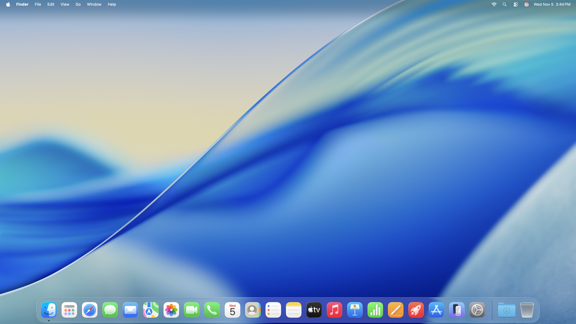
Mac OS X 10.0 introduced the Aqua user interface, which included translucent elements, drop shadows, and a new Dock for launching applications and managing running programs. The operating system also included updated core applications such as Mail, Preview, TextEdit, and the new Finder designed for the OS X architecture. Apple bundled developer tools to encourage software makers to adopt the new Cocoa and Carbon frameworks, allowing applications to be written natively for Mac OS X while maintaining compatibility with earlier Mac software.
To ease the transition, Apple included the Classic environment, enabling users to run Mac OS 9 applications within Mac OS X. The system initially required at least 128 MB of RAM and supported PowerPC based Macintosh computers. Apple priced Mac OS X 10.0 at $129 at launch. While early reviews noted performance limitations, the release established the foundation for later versions such as Mac OS X 10.1 and 10.2, which refined the platform and expanded native application support.
#mooflife
#MomentOfLife
#MacOsX
#Apple
#Nextstep
#Openstep
#BsdUnix
Primary Reference
macOS

Explore the Life Moments of
 AI Twin