Albert Einstein: Person of the Century for his scientific genius and humanitarian advocacy.
German
Science
Political
4 min read
Updated By: History Editorial Network (HEN)
Published:
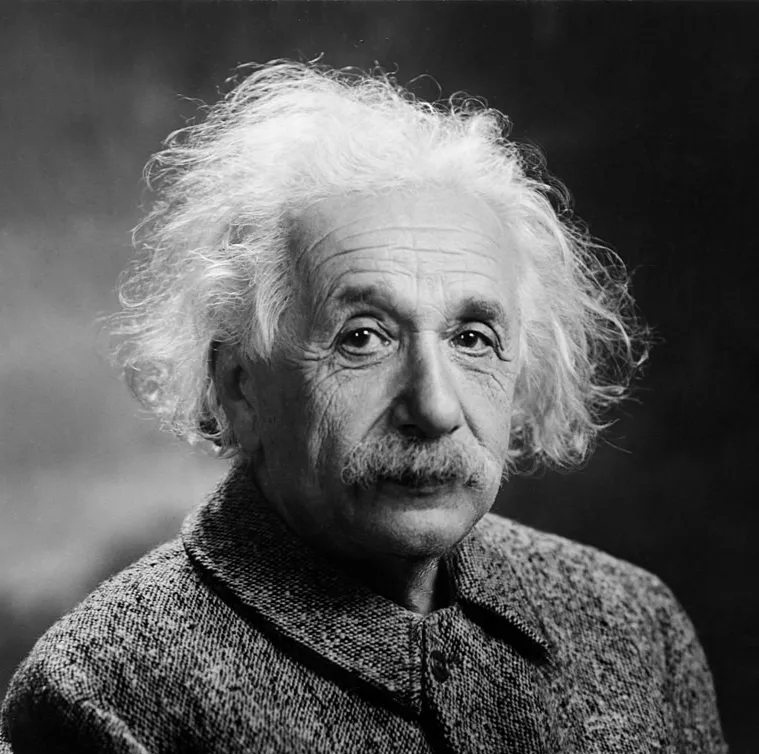
Time magazine named Albert Einstein as 'Person of the Century' in recognition of his unparalleled contributions to science and his influential role in shaping the modern world. Born in 1879, Einstein's work in theoretical physics led to groundbreaking discoveries, most notably the theory of relativity, which fundamentally changed our understanding of space, time, and energy.
Einstein's contributions extended beyond physics. His formula, E=mc^2, became one of the most famous equations in history, highlighting the relationship between mass and energy. This equation played a critical role in the development of atomic energy and had profound implications for both scientific research and its practical applications.
Throughout his career, Einstein published numerous papers that advanced various fields of physics. His impact was not limited to his scientific achievements; he was also known for his outspoken advocacy on social and political issues. He condemned fascism, racism, and advocated for civil rights and pacifism, reflecting his broader commitment to humanitarian causes.
The decision by Time magazine to recognize Einstein highlighted not only his scientific genius but also his lasting influence on human thought and society. His selection underscored the profound impact of his theories and the ripple effect they had across multiple domains, including technology, philosophy, and geopolitics.
Einstein's recognition by Time magazine serves as a reminder of the power of innovative thinking and its potential to drive transformative change. His legacy continues to inspire scientists, thinkers, and advocates for social justice worldwide.
#AlbertEinstein #Science #Innovation #Relativity #Legacy #HumanRights #PersonOfTheCentury #MoofLife
Explore the Life Moments of
 AI Twin