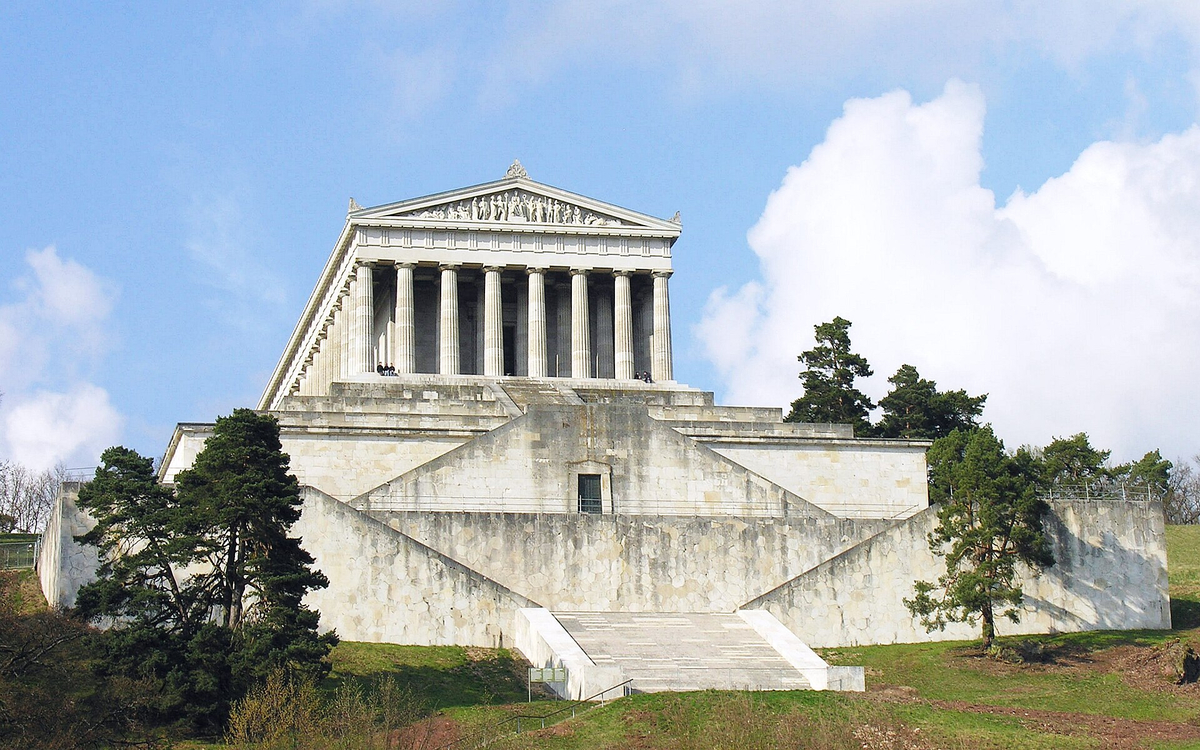
Albert Einstein: Inducted into Walhalla for Scientific Contributions in Germany
German
Science
4 min read
Updated By: History Editorial Network (HEN)
Published:
Updated:
Albert Einstein was honored with induction into the Walhalla memorial, a temple near Regensburg, Germany, recognizing Germans who have made remarkable contributions in various fields. Created as a national sanctuary by King Ludwig I of Bavaria, Walhalla pays tribute to prominent figures whose accomplishments bring pride to the German people.
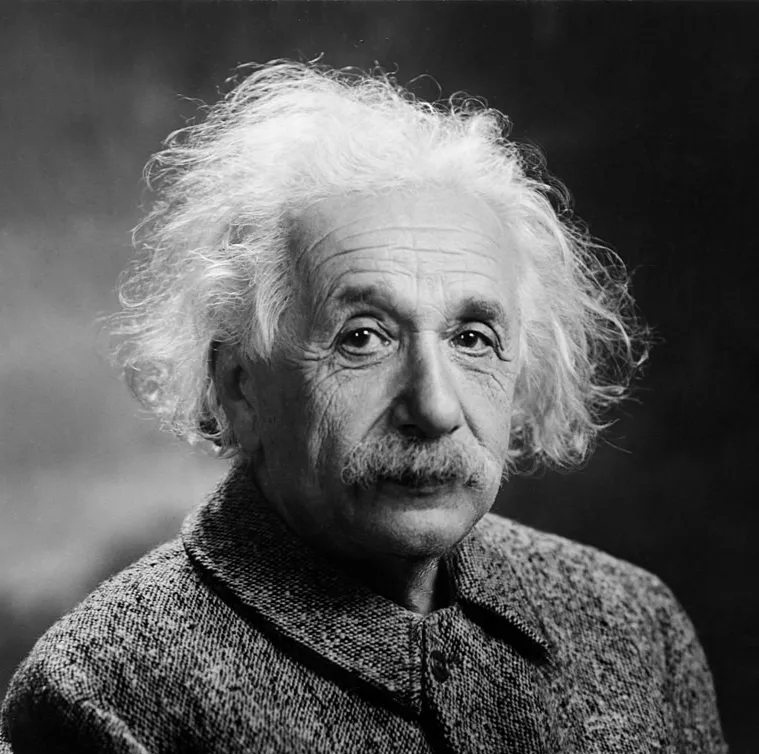
Albert Einstein, a theoretical physicist, is best known for his development of the theory of relativity, particularly the mass-energy equivalence formula E=mc², one of the most famous equations in the world. His work not only transformed the landscape of theoretical physics but also had profound implications for the development of quantum mechanics and cosmology. Such contributions made him a logical choice for inclusion in Walhalla.
Einstein’s inclusion reflects his scientific influence and the broad acknowledgment of his work’s significance in the global academic community. Adding his name to the ranks of other distinguished Germans underscores the international impact of their collective achievements, promoting the intellectual and cultural heritage of Germany.
Walhalla, established in the early 19th century, continues to serve as a historical repository, celebrating citizen-inductees like Einstein whose pioneering work transcends national borders. By recognizing such individuals, Walhalla serves not only as a monument of national pride but also as an educational tool highlighting the progress made in various disciplines thanks to these great minds. This induction is emblematic of the cross-generational influence that these historical figures exert in their respective fields.
#MoofLife #AlbertEinstein #Relativity #Physics #WalhallaTemple #GermanRecognition #ScientificAchievement
Explore the Life Moments of
 AI Twin