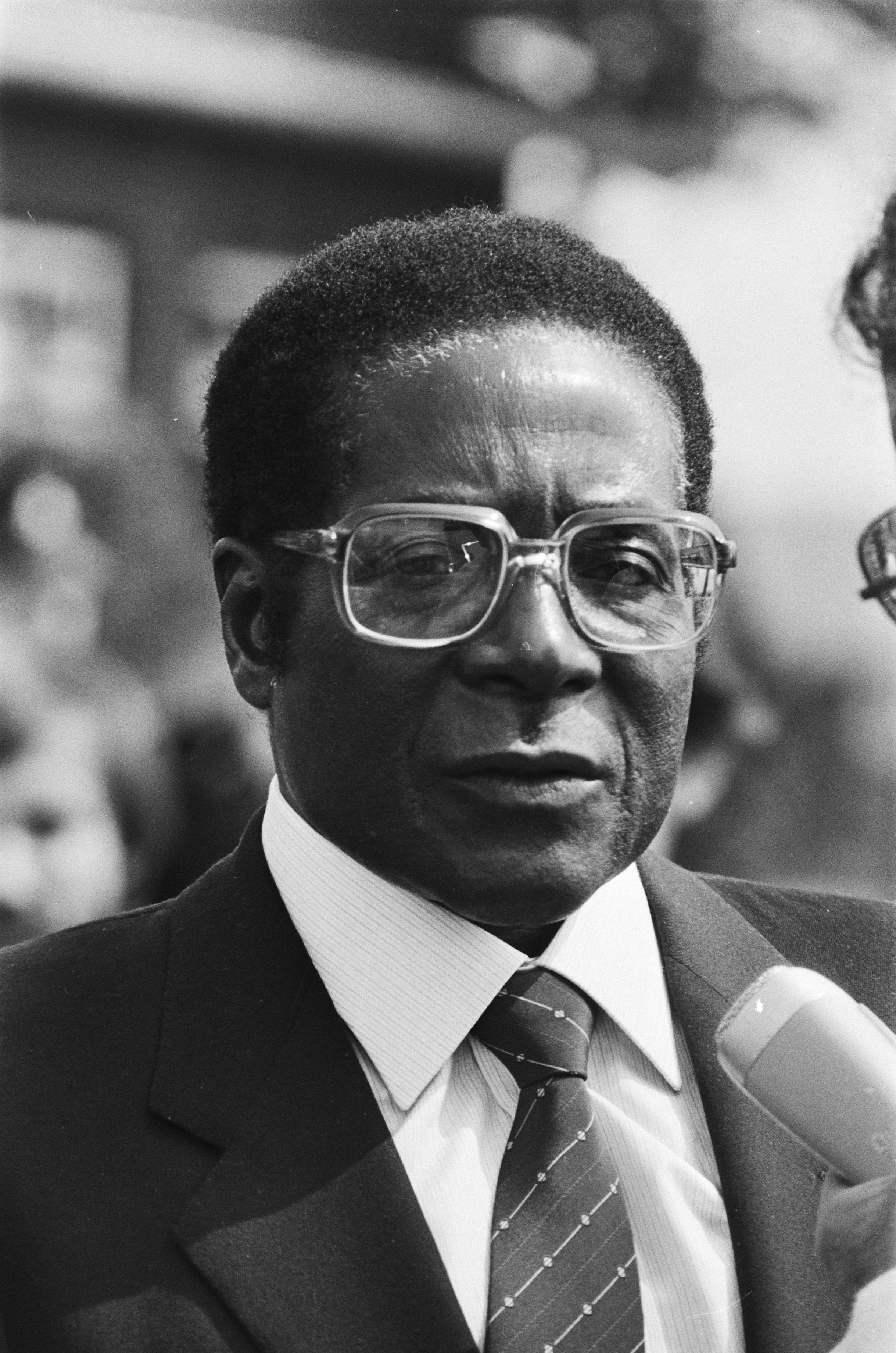
President Robert Mugabe's Inauguration as Prime Minister
Zimbabwe
Political
6 min read
Updated By: History Editorial Network (HEN)
Published:
The inauguration of Robert Mugabe as the Prime Minister of Zimbabwe marked a pivotal moment in the nation's history. Before ascending to this role, Mugabe had been a key figure in the fight against colonial rule. Zimbabwe, formerly known as Rhodesia, had been under British control until it declared unilateral independence under a white-minority government led by Ian Smith. This led to a protracted civil conflict involving multiple factions, particularly that of Mugabe's Zimbabwe African National Union (ZANU) and Joshua Nkomo's Zimbabwe African People's Union (ZAPU).
The conflict and negotiation eventually culminated in the Lancaster House Agreement, which set the stage for Rhodesia's transition to Zimbabwe, establishing the pathway to the first majority-rule elections. The elections were held, and ZANU, under Mugabe's leadership, secured a decisive victory, earning 63 out of 80 seats reserved for black representatives in the new 100-member parliament. The turnout was remarkably high, with an estimated 94% of the eligible electorate casting their votes, reflecting widespread public commitment to shaping the new political landscape.
Mugabe's inauguration as Prime Minister signaled the end of nearly a century of colonial rule and the beginning of a new era for Zimbabwe. The event was attended by various international dignitaries and leaders, symbolizing global recognition of Zimbabwe's entry into the community of independent nations. His administration aimed to reconcile with former adversaries, emphasizing national unity and economic development despite the socio-political challenges ahead.
The immediate impact of Mugabe’s leadership was a mixed prospect of hope and uncertainty. Programs aimed at education, health care, and rural development were initiated to address the needs of the previously marginalized majority. However, the economy, largely agrarian and dependent on a narrow export base, faced significant challenges. The redistribution of land, one of Mugabe's cornerstone policies, was a delicate issue that would later have far-reaching consequences.
Mugabe's rise to power was more than just a change in leadership; it represented a fundamental shift in the nation's identity and aspirations. Internationally, Zimbabwe’s transition was both praised as a triumph over colonial oppression and scrutinized for the potential pitfalls of post-colonial governance.
#MoofLife #Zimbabwe #Independence #Governance #ColonialHistory #LeadershipTransformation
Primary Reference
Robert Mugabe - Wikipedia

Explore the Life Moments of
 AI Twin