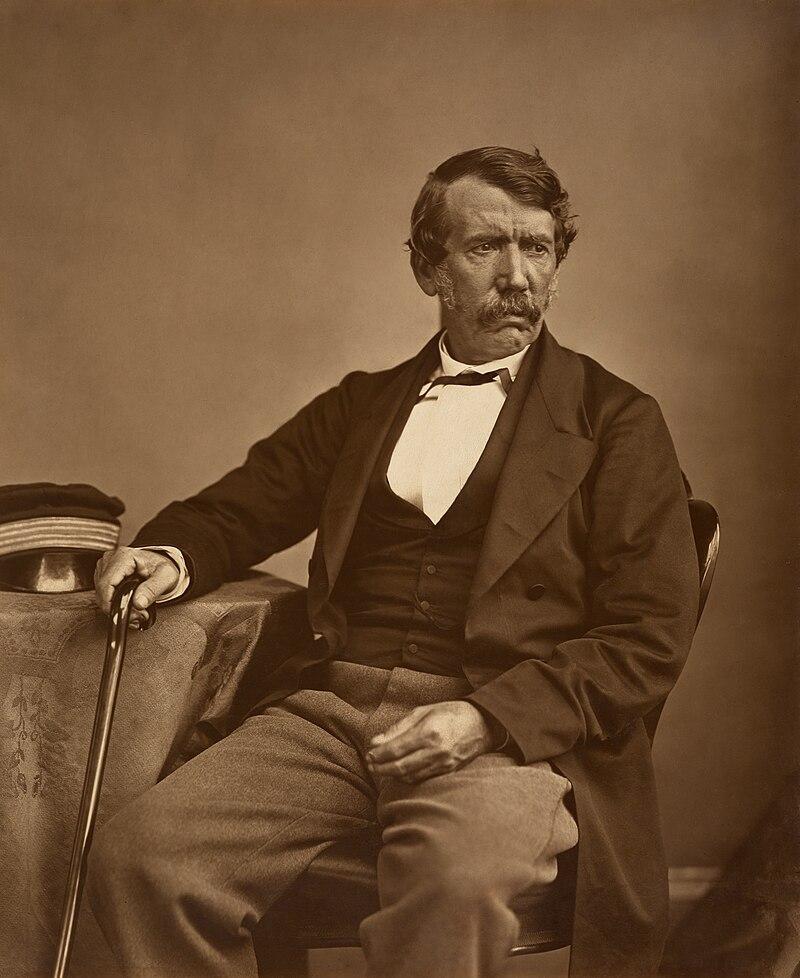
David Livingstone becomes the first European to see Victoria Falls, in what is now Zambia and Zimbabwe
Zimbabwe
10 min read
Updated By: History Editorial Network (HEN)
Published:
On November 17, 1855, the Scottish explorer and missionary David Livingstone became the first European to set eyes on Victoria Falls, one of the most spectacular natural wonders in the world. Located on the Zambezi River, at the border between what is now Zambia and Zimbabwe, Victoria Falls is known locally as "Mosi-oa-Tunya," meaning "The Smoke That Thunders." Livingstone’s encounter with the falls not only marked a significant moment in the history of European exploration in Africa but also contributed to the global awareness and subsequent interest in the African continent.
Background: David Livingstone's Exploration
David Livingstone was a Scottish missionary, physician, and explorer whose work and travels had a profound impact on Western knowledge of Africa. Born in 1813 in Blantyre, Scotland, Livingstone initially trained as a doctor before joining the London Missionary Society and setting out for southern Africa in 1841. His aim was not only to spread Christianity but also to explore the African interior, which was largely unknown to Europeans at the time.
Livingstone believed that the best way to end the transatlantic slave trade, which he strongly opposed, was through "commerce and Christianity." He hoped that by opening up the African interior to European trade and settlement, he could promote legitimate commerce and help bring an end to the brutal slave trade.
The Discovery of Victoria Falls
During his extensive travels across southern Africa, Livingstone became the first European to traverse large sections of the Zambezi River. In 1855, while exploring the upper reaches of the Zambezi, he heard from local tribes about a great waterfall on the river, known as "Mosi-oa-Tunya." With the assistance of local guides, Livingstone journeyed to the site of the falls.
On November 17, 1855, Livingstone reached the edge of the falls and was overwhelmed by the sight. In his journal, he described the scene with awe:
"No one can imagine the beauty of the view from anything witnessed in England. It had never been seen before by European eyes, but scenes so lovely must have been gazed upon by angels in their flight."
In honor of Queen Victoria, the reigning British monarch at the time, Livingstone named the waterfall "Victoria Falls." The falls, which are about 1,708 meters (5,604 feet) wide and 108 meters (354 feet) high, are among the largest and most dramatic waterfalls in the world, creating a breathtaking spectacle as the Zambezi River plunges into the gorge below.
Impact and Legacy
Livingstone’s "discovery" of Victoria Falls brought the natural wonder to the attention of the wider world. His detailed accounts and sketches of the falls were published in Europe and fueled further interest in the African continent. Livingstone's travels, including his encounter with Victoria Falls, played a significant role in the European exploration and eventual colonization of southern and central Africa.
The name "Victoria Falls" became the internationally recognized name for the waterfall, although the original name "Mosi-oa-Tunya" remains in use, especially among the local Tonga people who had long known of the falls and revered them as a sacred site.
Livingstone's encounter with Victoria Falls also contributed to his enduring legacy as one of the most famous explorers of Africa. His journeys were widely covered in newspapers and books, and he became a symbol of the spirit of exploration and missionary work in the Victorian era.
Modern Significance
Today, Victoria Falls is one of the most famous tourist destinations in Africa, drawing visitors from around the world to witness its grandeur. The falls are a UNESCO World Heritage Site, recognized for their natural beauty and ecological significance. The area around Victoria Falls, including the towns of Victoria Falls in Zimbabwe and Livingstone in Zambia, has developed into a major center for tourism, offering activities such as bungee jumping, white-water rafting, and helicopter tours.
The legacy of David Livingstone’s exploration of Africa, including his "discovery" of Victoria Falls, is a complex one. While his contributions to the mapping and understanding of the African continent are undeniable, his work also paved the way for European imperialism and colonization, which had profound and often devastating effects on African societies.
Nevertheless, the sight of Victoria Falls remains a powerful symbol of the natural beauty and majesty of Africa, continuing to inspire awe in all who visit.
#MomentsOfLife #MoofLife_Moment #MoofLife #VictoriaFalls #DavidLivingstone #AfricanExploration #ZambeziRiver #Zimbabwe #Zambia
Primary Reference
Victoria Falls History and Archaeology

Explore the Life Moments of
 AI Twin