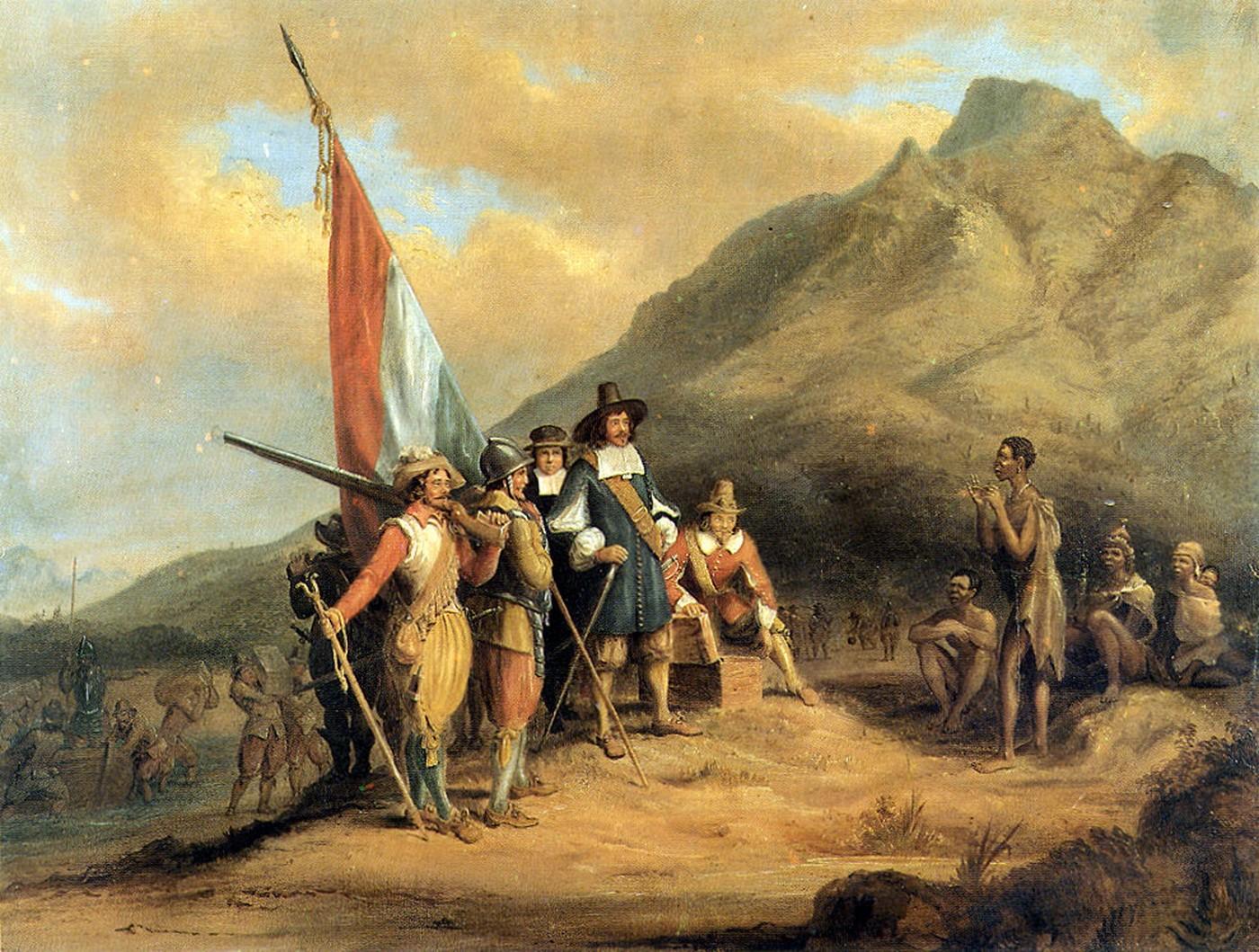
European Settlers' Arrival and Tensions with Local Tribes
Zimbabwe
ColonialImpact
5 min read
Updated By: History Editorial Network (HEN)
Published:
As European settlers began to establish themselves in the region now known as Zimbabwe, the dynamics of local tribes and territories underwent significant shifts. Prior to the settlers' arrival, the area was primarily inhabited by the Shona and Ndebele tribes. These tribes had their own well-established systems of governance, land management, and economic activities, primarily agricultural and pastoral.
The settlers, driven by the search for mineral wealth and expansive land for European-style agriculture, initially established trading posts and small settlements. Over time, their presence grew, and the demand for land and resources led to encroachments on territories traditionally used by the local populations. This encroachment was not merely a matter of land but also affected resources such as water and grazing areas, central to the livelihood of the indigenous people.
The increase in settlers brought new technologies and goods, which altered existing trade dynamics. However, the primary impact was the growing tension between the settlers and the native tribes. The introduction of European land registration systems confused traditional land ownership and use patterns. Competition for resources became intense, leading to conflicts. The settlers, often backed by colonial authorities, had access to advanced weaponry, further exacerbating tensions.
Local tribes found their autonomy gradually eroded as settlers imposed new political and economic structures. This led to a series of conflicts, and in some cases, full-scale confrontations. The local population faced displacement, with many forced to move to less fertile areas, disrupting their traditional way of life.
Prior to substantial settler influx, Zimbabwe had a balanced ecosystem where tribes lived in relatively stable conditions. Post-settlement, this balance shifted dramatically, setting the stage for long-term socio-economic changes. These developments marked the onset of a period characterized by significant strife, resource reallocation, and cultural disruption.
The settlers' quest for resource control and the subsequent reconfiguration of land ownership left enduring impacts on the social and economic fabric of the region. The friction between European settlers and local tribes laid the groundwork for future resistance movements and socio-political struggles.
#MoofLife #HistoryOfZimbabwe #ColonialImpact #LandConflict #CulturalDisplacement #ResourceCompetition
Primary Reference
Southern Africa - European and African interaction from the 15th ...

Explore the Life Moments of
 AI Twin