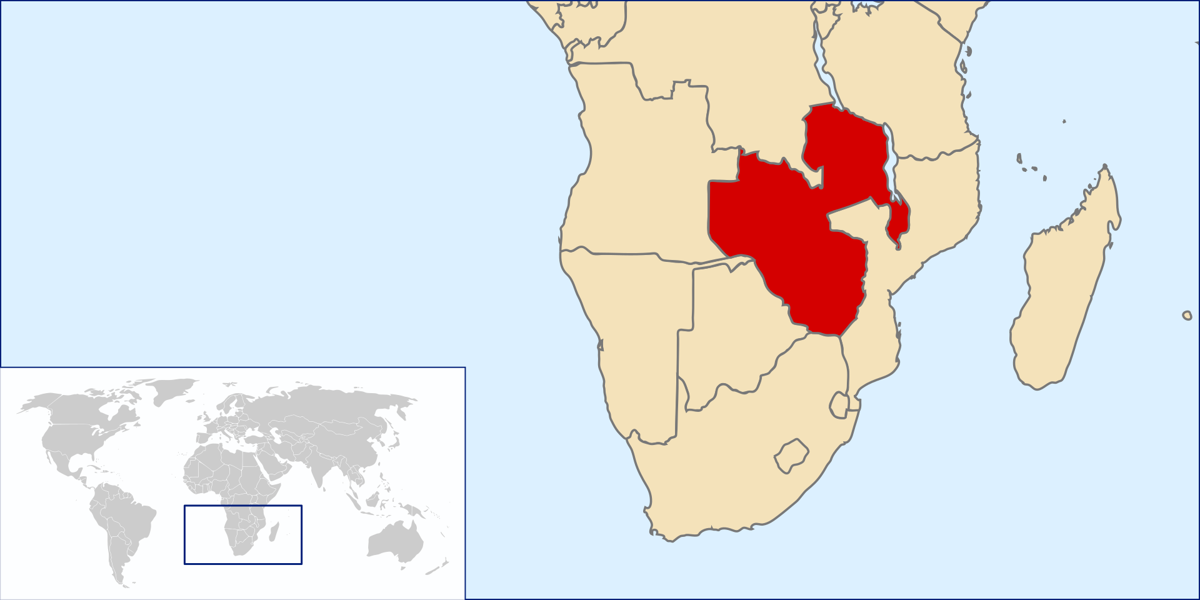
Formation of Central African Federation.
Political
Economic Downturn
6 min read
Updated By: History Editorial Network (HEN)
Published:
Northern Rhodesia joined Southern Rhodesia and Nyasaland to form the Central African Federation. This political union aimed to create a federated governance structure to manage economic development and control. Northern Rhodesia, primarily a territory rich in copper resources, sought to leverage its economic potential more efficiently. Southern Rhodesia, with its established settler economy, and Nyasaland, less developed economically, believed that a collective administration could promote regional stability and economic growth.
The creation was driven by economic motives and the belief that integrating territories under a single administrative unit would streamline resource management and foster infrastructural development. It was seen as a strategic effort to harness shared resources for greater economic benefits while maintaining British control in the region.
Critics of the federation cited concerns about political representation and the imbalance of power. Northern Rhodesia and Nyasaland had significant African populations, while Southern Rhodesia was dominated by European settlers, resulting in political tensions. The federation faced resistance from African nationalist movements that viewed it as a mechanism to sustain colonial rule and diminish African autonomy.
The establishment created a central legislative body and distributed administrative responsibilities across the territories. Despite initial intentions, the federation struggled with internal conflicts and disparities in economic development. African leaders intensified their push for self-determination, leading to political unrest within the federation.
Economic data from the period indicates that while there were initial efforts to boost infrastructure and economic activities, growth was uneven. The mineral wealth of Northern Rhodesia, particularly its copper mines, remained a critical economic driver. However, the federation's framework failed to address deeply rooted inequalities and political disparities among the territories.
Ultimately, the federation dissolved as nationalist movements gained strength and the territories moved towards independence. Northern Rhodesia would eventually become Zambia, Nyasaland transformed into Malawi, and Southern Rhodesia experienced its own complex path before becoming Zimbabwe.
The formation and subsequent dissolution of the Central African Federation underscores the complexities of colonial-era federations, highlighting the tensions between economic ambitions and political representation.
#MoofLife #RhodesianHistory #Zambia #ColonialAfrica #AfricanFederation #EconomicIntegration #Nationalism #PoliticalChange
Primary Reference
Federation of Rhodesia and Nyasaland - Wikipedia
Explore the Life Moments of
 AI Twin