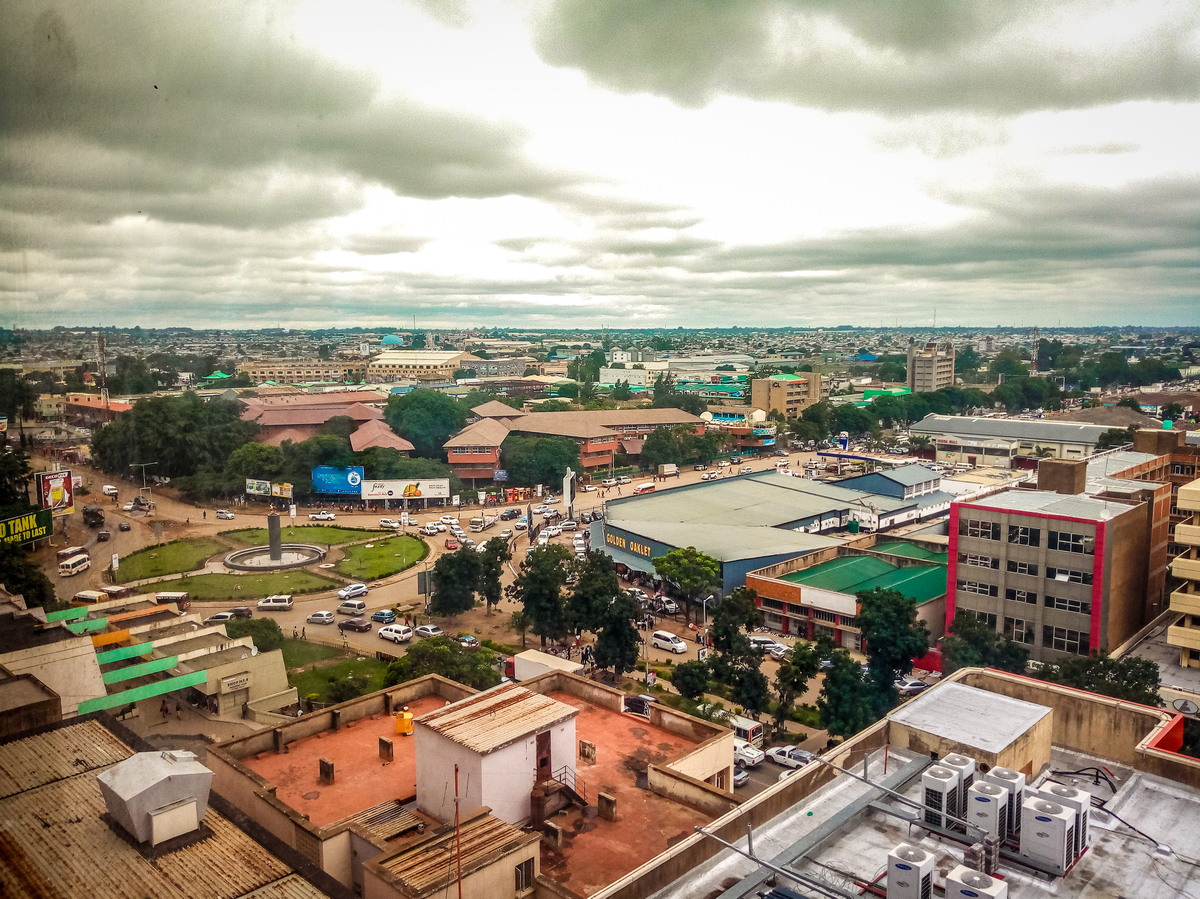
Capital relocation: Livingstone to Lusaka for centrality.
Political
Economic Downturn
4 min read
Updated By: History Editorial Network (HEN)
Published:
In a strategic move to enhance administrative efficiency and national cohesion, the capital of Northern Rhodesia was transferred from Livingstone to Lusaka. Livingstone, located in the southern part of the territory, was initially chosen as the capital due to its proximity to the Victoria Falls and its position along the rail line to South Africa. However, its location proved less than ideal for the governance of the vast territory.
Lusaka, situated more centrally, presented a solution. It was accessible, with a more temperate climate and potential for growth. The move aimed to streamline governmental operations and foster more balanced economic development across the region. The relocation of administrative functions included the construction of government buildings, infrastructure improvements, and the establishment of new residential areas for civil servants.
The impact of this decision resonated through the future growth of Zambia. Lusaka began to develop rapidly, spurred by investments in infrastructure and the influx of government employees. This period marked the beginning of the city's transformation into the vibrant urban center it is today. As the population grew, so did its significance in Northern Rhodesia’s political, economic, and social landscape.
Lusaka’s establishment as the capital also encouraged improvements in transport links, facilitating trade and mobility within the territory. It became a crucial hub, connecting rural and urban areas. Over time, the move to Lusaka achieved its intended goals, promoting development and improving governance efficiency.
#MoofLife #ZambiaHistory #NationalDevelopment #UrbanGrowth
Primary Reference
Zambian Day - LUSAKA A CITY IN NEED OF ORDER INDEED Miles ...

Explore the Life Moments of
 AI Twin