US begins sea patrols in North Atlantic
Germany

Military History
World War II
International Relations
3 min read
Updated By: History Editorial Network (HEN)
Published:
Updated:
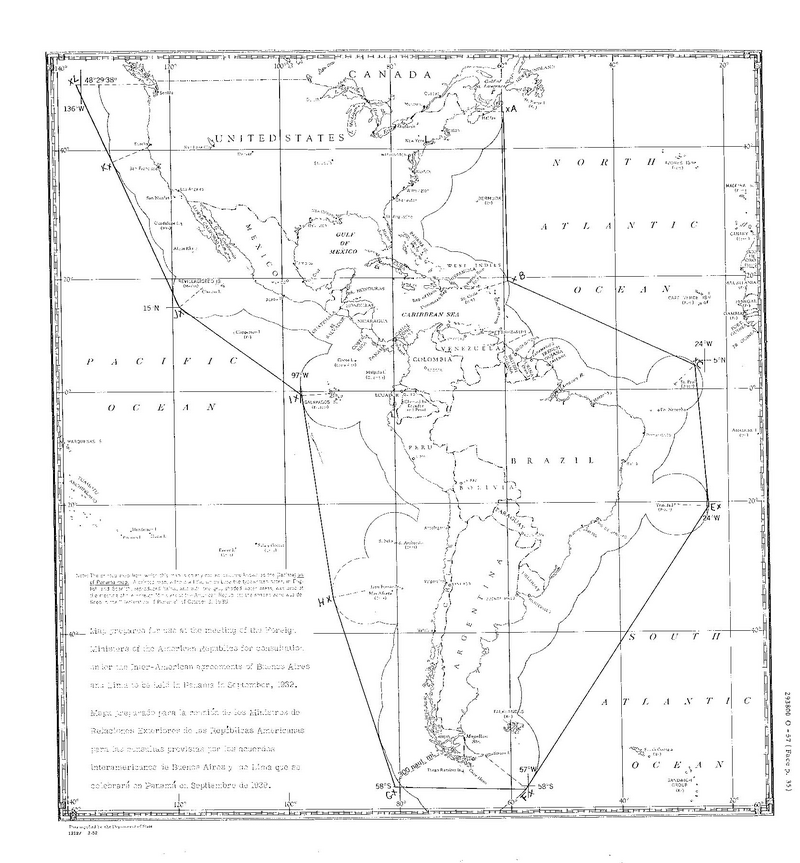
The United States initiated sea patrols in the North Atlantic while maintaining a stance of neutrality. This decision came amid escalating tensions and conflicts in Europe, particularly with the ongoing World War II. The U.S. had been observing the war's impact on global trade and security, especially as German U-boats posed a significant threat to merchant shipping. The patrols aimed to protect American interests and ensure the safety of vessels traversing these waters. The U.S. Navy's involvement marked a shift in its engagement strategy, as it began to take a more active role in monitoring and responding to threats in the Atlantic. This move was also influenced by the increasing frequency of attacks on Allied shipping, which had raised concerns about the potential for direct conflict. The decision to patrol was a precursor to further military involvement, as the U.S. sought to balance its neutral position with the need to safeguard its maritime routes and support its allies indirectly. The patrols were part of a broader strategy to deter aggression and protect commerce, reflecting the growing realization that the war's outcomes would have far-reaching implications for the United States and its global standing.
#mooflife
#MomentOfLife
#UsNavy
#NorthAtlanticPatrols
#WorldWarIi
#Neutrality
#MaritimeSecurity
Primary Reference
Neutrality Patrol

Explore the Life Moments of
 AI Twin