Approval of Declaration of Panama by Republics
Germany
Politics
International Relations
4 min read
Updated By: History Editorial Network (HEN)
Published:
Updated:
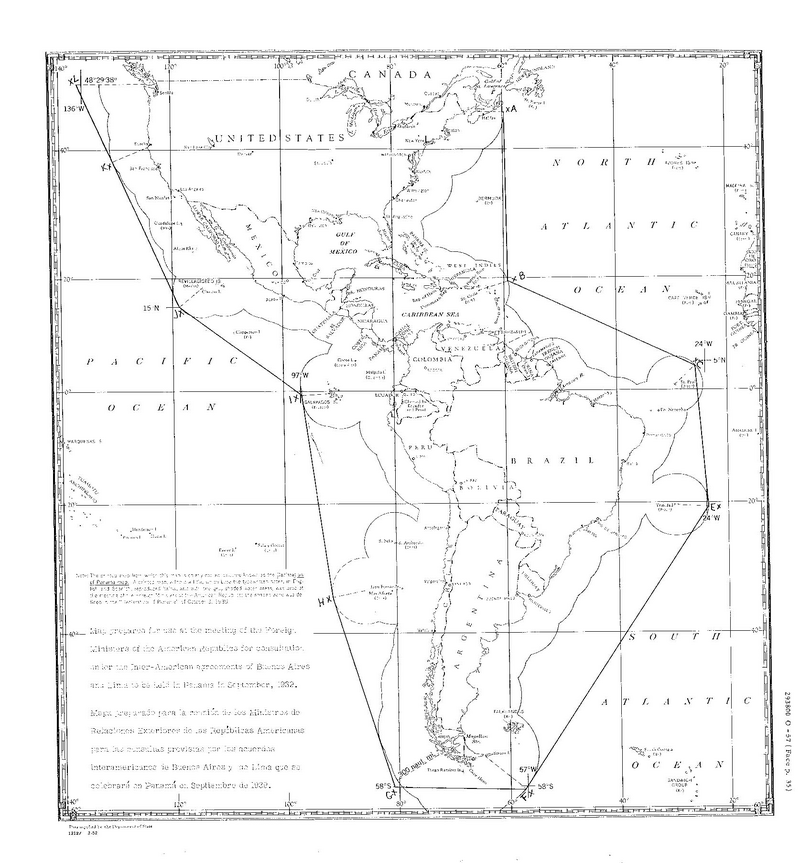
The Declaration of Panama was a pivotal agreement among American republics aimed at establishing a framework for regional security and neutrality in the face of growing global tensions. This declaration specifically prohibited belligerent activities within a designated neutrality zone that extended 300 miles (480 kilometers) from the American continent. The agreement was a response to the increasing threat of conflict that could spill over into the Americas, particularly as European nations were embroiled in warfare. By creating this zone, the American republics sought to protect their interests and maintain peace in the region, emphasizing the importance of collective security and cooperation among nations in the Americas. The U.S. Navy was tasked with patrolling this neutrality zone, underscoring the United States' commitment to safeguarding the region from external threats and ensuring that the waters adjacent to the continent remained free from military engagements.
The impact of the Declaration of Panama was significant in shaping the diplomatic landscape of the Americas. It represented a unified stance among the republics against the potential for conflict and highlighted the importance of regional solidarity. The establishment of a neutrality zone not only aimed to deter belligerent actions but also fostered a sense of security among the nations involved. This agreement laid the groundwork for future cooperative efforts in the region, influencing subsequent treaties and security arrangements. The Declaration of Panama is often viewed as a crucial step in the evolution of inter-American relations, reflecting a collective desire to maintain peace and stability in a time of uncertainty on the global stage.
#mooflife
#MomentOfLife
#DeclarationOfPanama
#AmericanRepublics
#NeutralityZone
#U.s.Navy
#RegionalSecurity
Primary Reference
Panama Conference

Explore the Life Moments of
 AI Twin