German Army Opens Fire on French Villages
Germany
Military History
World War II
European Warfare
4 min read
Updated By: History Editorial Network (HEN)
Published:
Updated:
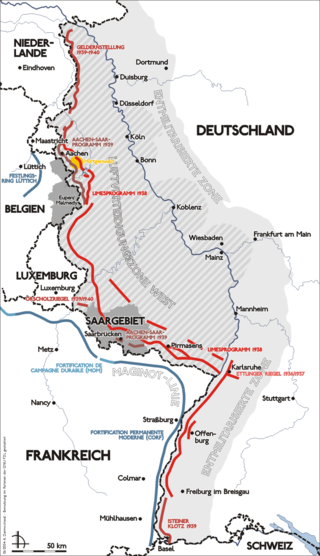
The German Army's initial military operations in Western Europe marked a pivotal moment in the early stages of conflict. The artillery stationed along the Siegfried Line commenced bombardment of French villages located behind the Maginot Line, a defensive fortification established by France to deter German aggression. This action represented a significant escalation in hostilities and demonstrated the effectiveness of the German military strategy, which aimed to bypass the heavily fortified Maginot Line by targeting vulnerable areas. The bombardment not only inflicted damage on civilian infrastructure but also instilled fear among the local population, highlighting the psychological impact of warfare on communities. The German military's approach was characterized by rapid and coordinated attacks, which would become a hallmark of their tactics throughout the conflict.
The consequences of this military action were far-reaching. It signaled the beginning of a broader campaign that would lead to extensive military engagements across Europe. The German Army's ability to launch operations effectively from the Siegfried Line showcased their preparedness and strategic planning. The bombardment also prompted a reevaluation of French defensive strategies, as the Maginot Line was designed to be impenetrable. However, the German forces' tactics of indirect assault revealed vulnerabilities in the French defense system. This initial engagement set the stage for subsequent battles and ultimately contributed to the rapid advancement of German forces into France, altering the course of the war and reshaping the geopolitical landscape of Europe.
#mooflife
#MomentOfLife
#GermanArmy
#FrenchVillages
#SiegfriedLine
#MaginotLine
#MilitaryOperations

Explore the Life Moments of
 AI Twin