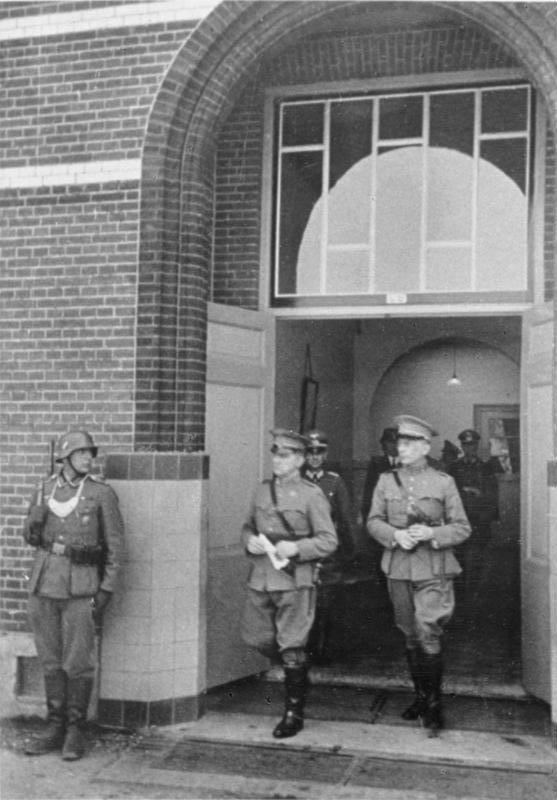
Dutch Army Surrender Agreement Signed
Germany


Military
2 min read
Updated By: History Editorial Network (HEN)
Published:
Updated:
The capitulation of the Dutch army marked a pivotal moment in the early stages of World War II. The decision to surrender was influenced by the extensive civilian casualties and widespread destruction caused by the Rotterdam Blitz, which was the first large-scale strategic bombing of the war. This bombing campaign targeted key cities in Germany, including Gelsenkirchen, Hamburg, and Cologne, as part of a broader military strategy. The German forces' rapid advance, including their crossing of the Meuse River, further pressured the Dutch military, leading to the eventual decision to surrender. The capitulation was signed with the exception of Zeeland, indicating a strategic choice to maintain some level of resistance in that region. This surrender not only had immediate implications for the Netherlands but also contributed to the shifting dynamics of power in Europe during the conflict, as it allowed German forces to consolidate their control over Western Europe.
#mooflife
#MomentOfLife
#DutchArmy
#SurrenderAgreement
#WorldWarIi
#RotterdamBlitz
#MilitaryHistory
Primary Reference
Netherlands in World War II

Explore the Life Moments of
 AI Twin