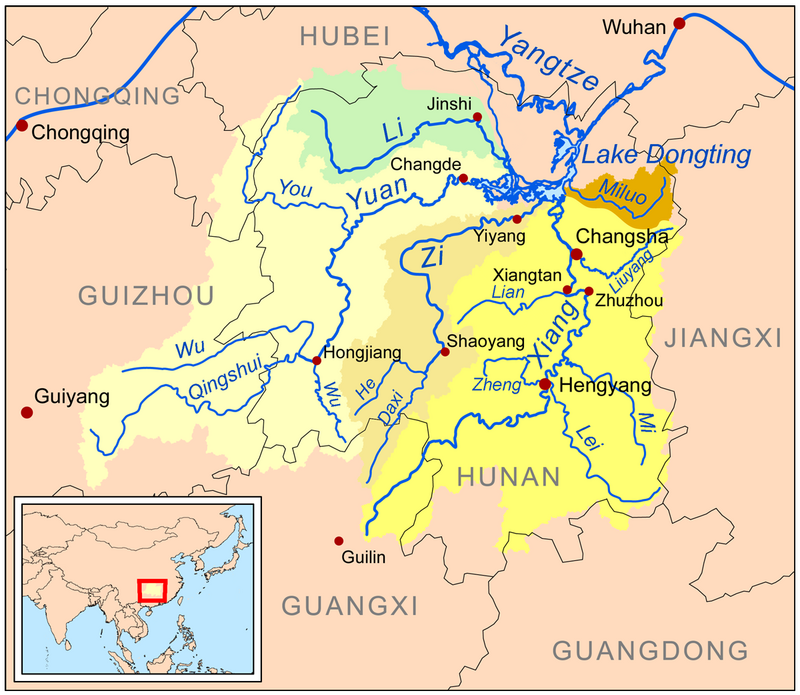
Japanese Army Drives Chinese Army Out of Xiangjiang River Area
Germany
Military History
World War II
Asian Conflicts
3 min read
Updated By: History Editorial Network (HEN)
Published:
Updated:
The conflict in the Xiangjiang River area was marked by the engagement between the Imperial Japanese Army and the Chinese National Revolutionary Army during the Battle of Changsha. The Japanese forces, specifically the 6th and 13th Divisions, executed a strategic offensive that resulted in the expulsion of Chinese troops from this critical region. This battle was part of a larger campaign in which Japan sought to expand its territorial control in China, reflecting the broader context of the Second Sino-Japanese War. The Japanese military employed a combination of superior tactics, artillery, and troop movements to gain the upper hand against the Chinese forces, which were often hampered by logistical challenges and a lack of unified command. The successful drive by the Japanese not only showcased their military capabilities but also had significant implications for the morale and operational capacity of the Chinese National Revolutionary Army, which faced increasing pressure from Japanese advances in various fronts.
#mooflife
#MomentOfLife
#JapaneseArmy
#ChineseArmy
#XiangjiangRiver
#BattleOfChangsha
#SecondSino-japaneseWar
Primary Reference
Battle of Changsha (1939)

Explore the Life Moments of
 AI Twin