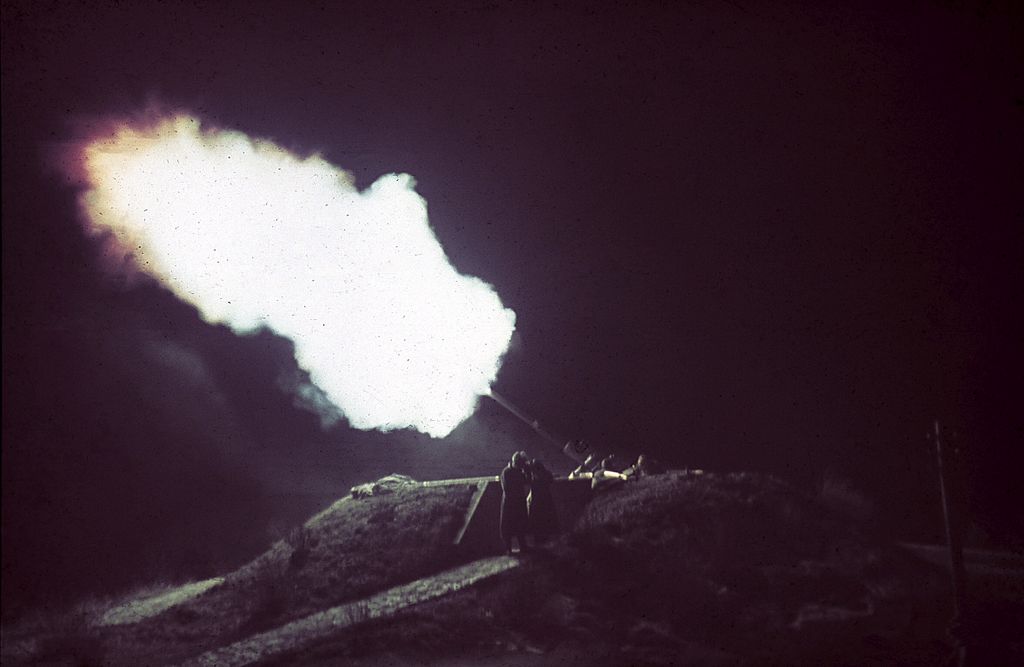
Russia continues war against Finland
Germany
Geopolitics
Military Conflict
International Relations
3 min read
Updated By: History Editorial Network (HEN)
Published:
Updated:
The conflict between Russia and Finland escalated as hostilities intensified, leading to significant military actions. Helsinki, the capital of Finland, faced aerial bombardment, marking a critical phase in the war. The Finnish forces, recognizing the inadequacy of their defensive positions, began a strategic retreat towards the Mannerheim Line. This line, although historically significant, was considered outdated and not fully equipped to withstand the onslaught of the Russian military. The Mannerheim Line was a series of fortifications built to defend against potential invasions, but its effectiveness was challenged by the modern tactics and resources employed by the Soviet forces. The retreat to this line indicated a shift in the Finnish military strategy, as they sought to consolidate their defenses in the face of overwhelming opposition. The bombing of Helsinki not only caused physical destruction but also had psychological impacts on the Finnish populace, contributing to a sense of urgency and resilience among the defenders. The war's progression highlighted the challenges faced by Finland in maintaining its sovereignty against a larger aggressor, as well as the broader implications for regional stability in Northern Europe.
#mooflife
#MomentOfLife
#Russia
#Finland
#Helsinki
#MannerheimLine
#WorldWarIi
Primary Reference
List of timelines of World War II

Explore the Life Moments of
 AI Twin