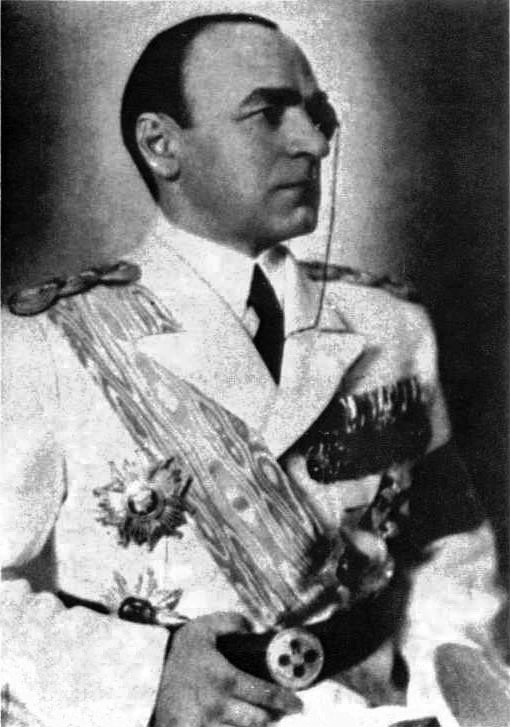
Assassination of Romanian Prime Minister Călinescu
Germany
Politics
Assassination
3 min read
Updated By: History Editorial Network (HEN)
Published:
Updated:
Armand Călinescu served as the Prime Minister of Romania during a tumultuous period marked by political instability and the rise of extremist groups. His administration was characterized by efforts to consolidate power and combat the influence of the Iron Guard, a far-right, nationalist organization that sought to establish a fascist regime in Romania. The Iron Guard, known for its violent tactics and anti-Semitic ideology, opposed Călinescu's government and aimed to undermine his authority. The assassination of Călinescu was a pivotal event that highlighted the intense political strife in Romania and the challenges faced by the government in maintaining order amidst rising extremism. Following his assassination, the political landscape in Romania shifted dramatically, leading to increased repression of opposition groups and a further entrenchment of authoritarian rule. The impact of Călinescu's death resonated throughout the country, as it signaled the growing power of the Iron Guard and the fragility of democratic institutions in Romania. This event also contributed to the broader context of European political dynamics, where fascist movements were gaining traction in various countries, influencing the course of history in the region.
#mooflife
#MomentOfLife
#Călinescu
#Romania
#Assassination
#IronGuard
#PoliticalInstability
Primary Reference
Armand Călinescu

Explore the Life Moments of
 AI Twin