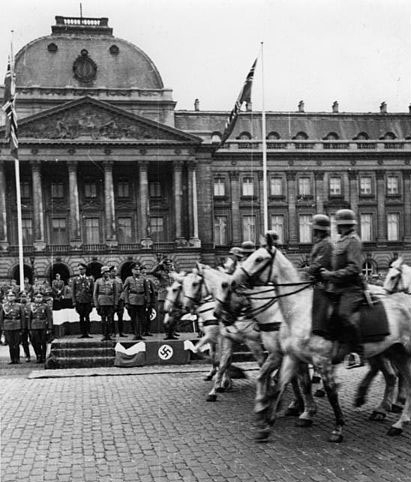
Germans enter Brussels and Antwerp
Germany


World War II
European History
Political Events
4 min read
Updated By: History Editorial Network (HEN)
Published:
Updated:
The entry of German forces into Brussels and Antwerp marked a critical phase in the military campaign during World War II. As the Belgian government retreated to Bordeaux, the Belgian army faced significant challenges, leading to a strategic withdrawal. The capture of Brussels, the capital of Belgium, was particularly impactful as it not only symbolized the fall of Belgian resistance but also served as a strategic advantage for the Germans in their broader campaign across Western Europe. Antwerp, being a major port city, was crucial for logistical support and supply lines, further enhancing German operational capabilities. The swift occupation of these cities demonstrated the effectiveness of the German Blitzkrieg tactics, which relied on speed and surprise to overwhelm enemy defenses.
The political ramifications of this military action were profound. The Belgian government’s relocation to Bordeaux indicated a collapse of national defense and governance, which would later shift to London. Concurrently, the formation of a new French government under Paul Reynaud, which included the notable figure of Marshal Pétain, reflected the urgency of the situation. Pétain, revered for his World War I leadership, was seen as a stabilizing figure during a time of crisis. The events surrounding the German occupation of Brussels and Antwerp not only altered the course of the war but also reshaped the political landscape in Europe, leading to significant changes in alliances and strategies among the Allied nations.
#mooflife
#MomentOfLife
#WorldWarIi
#GermanOccupation
#Brussels
#Antwerp
#BelgianGovernment
Primary Reference
German occupation of Belgium during World War II

Explore the Life Moments of
 AI Twin