Winter Warfare Challenges on the WWI Fronts: Trenches, Cold, and Stalemates
Germany
Warfare
Military
5 min read
Updated By: History Editorial Network (HEN)
Published:
Updated:
During World War I, the forces of the Allied and Central Powers found themselves entrenched on various fronts. A severe winter imposed additional challenges, curbing the potential for large-scale offensives.
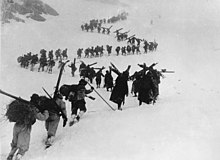
The Western Front saw soldiers digging into extensive trench networks stretching from the North Sea to the Swiss border. Both sides fortified their positions with barbed wire, machine-gun nests, and artillery placements, making any advancement costly and slow. The troops endured harsh winter conditions, with freezing temperatures, snow, and ice creating a more hostile environment. The cold weather intensified the soldiers' suffering, as they struggled with frostbite, trench foot, and other cold-related illnesses.
In the Eastern Front, the situation was equally dire. The vast expanse of territory, coupled with the severe winter, rendered mobility and supply lines problematic. Attempts to outflank or pierce enemy lines resulted in limited gains, with high casualties on both sides without decisive results. The warfare there was characterized by its fluidity compared to the Western Front, but the winter conditions significantly hindered operational movements.
Artillery shelling and occasional raids were the primary activities, with both sides striving to hold their ground. The static nature of trench warfare, exacerbated by the winter, led to stalemates and a war of attrition. Military strategies during this period focused more on maintaining positions and preparing for future offensives once the weather improved.
The impact of this entrenchment and subsequent inactivity extended beyond the immediate frontlines. The home fronts in countries involved faced increased demands for war production while dealing with shortages of food and fuel due to the ongoing blockade efforts. Civilian morale was tested as news from the frontlines spoke of hardship and little progress.
Overall, the strategic landscape of World War I during this period was shaped by the unyielding conditions and the preparation for future engagements. Both sides remained committed to their goals, cycling through exhaustion, and preparation, as the war continued to demand immense human and material resources.
#MoofLife #WWI #TrenchWarfare #WinterWarfare #MilitaryHistory #EasternFront #WesternFront
Primary Reference
Food and Nutrition / 1.0 / handbook - 1914-1918-Online (WW1 ...
Explore the Life Moments of
 AI Twin