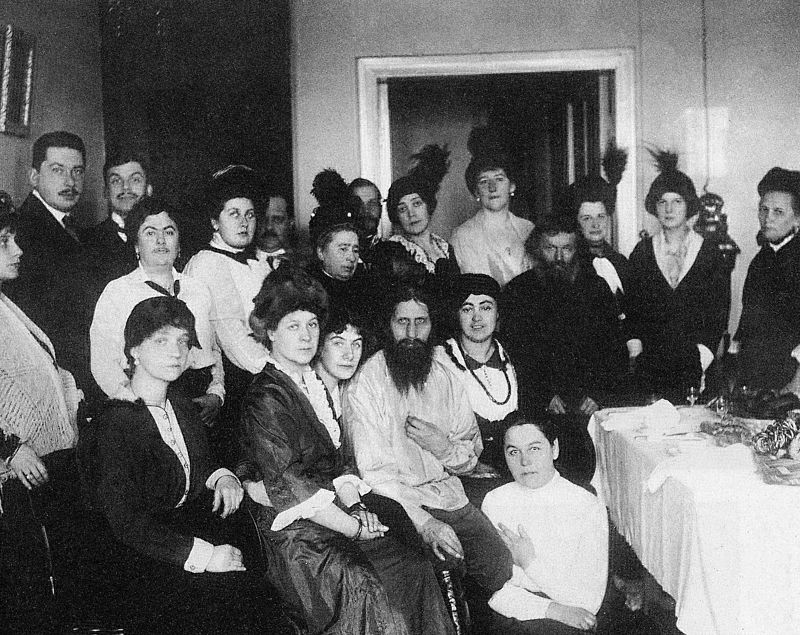
Survival of Rasputin: Mystic's influence and political turmoil in pre-Revolution Russia.
Germany
Political Turmoil
Mysticism
4 min read
Updated By: History Editorial Network (HEN)
Published:
Updated:
Russian mystic Grigori Rasputin was known for his significant influence over the Romanov family, notably Tsar Nicholas II and Tsarina Alexandra. Rasputin had developed a controversial reputation, drawing ire from various factions within Russian society, including nobles and political figures who were skeptical of his influence.
One day, while in Siberia, Rasputin faced a violent attack by Jina Guseva, a follower of Iliodor, a religious and political adversary of Rasputin. Guseva, armed with a dagger, stabbed Rasputin in an attempt to end his life. Despite severe injuries, Rasputin survived the assassination attempt, leading to widespread news and discussions about his alleged mystical powers and resilience.
The attack on Rasputin was part of the larger turbulence within the Russian Empire, which was increasingly marked by political instability and social unrest. Rasputin's survival only added to his mystique and the polarized perceptions of him, being seen by some as a healer and holy man, and by others as a manipulative charlatan.
The backdrop to this event includes the looming shadows of World War I, which was a period of significant upheaval and conflict. Rasputin’s continued influence over the Russian royal family, even after the attempted assassination, had profound implications for the internal politics of the empire and its eventual role in the war.
#GrigoriRasputin #RussianHistory #PoliticalTurmoil #Mysticism #AssassinationAttempt #Survival #WorldWarI #MoofLife
Primary Reference
Historical Events in 1914 - On This Day

Explore the Life Moments of
 AI Twin